
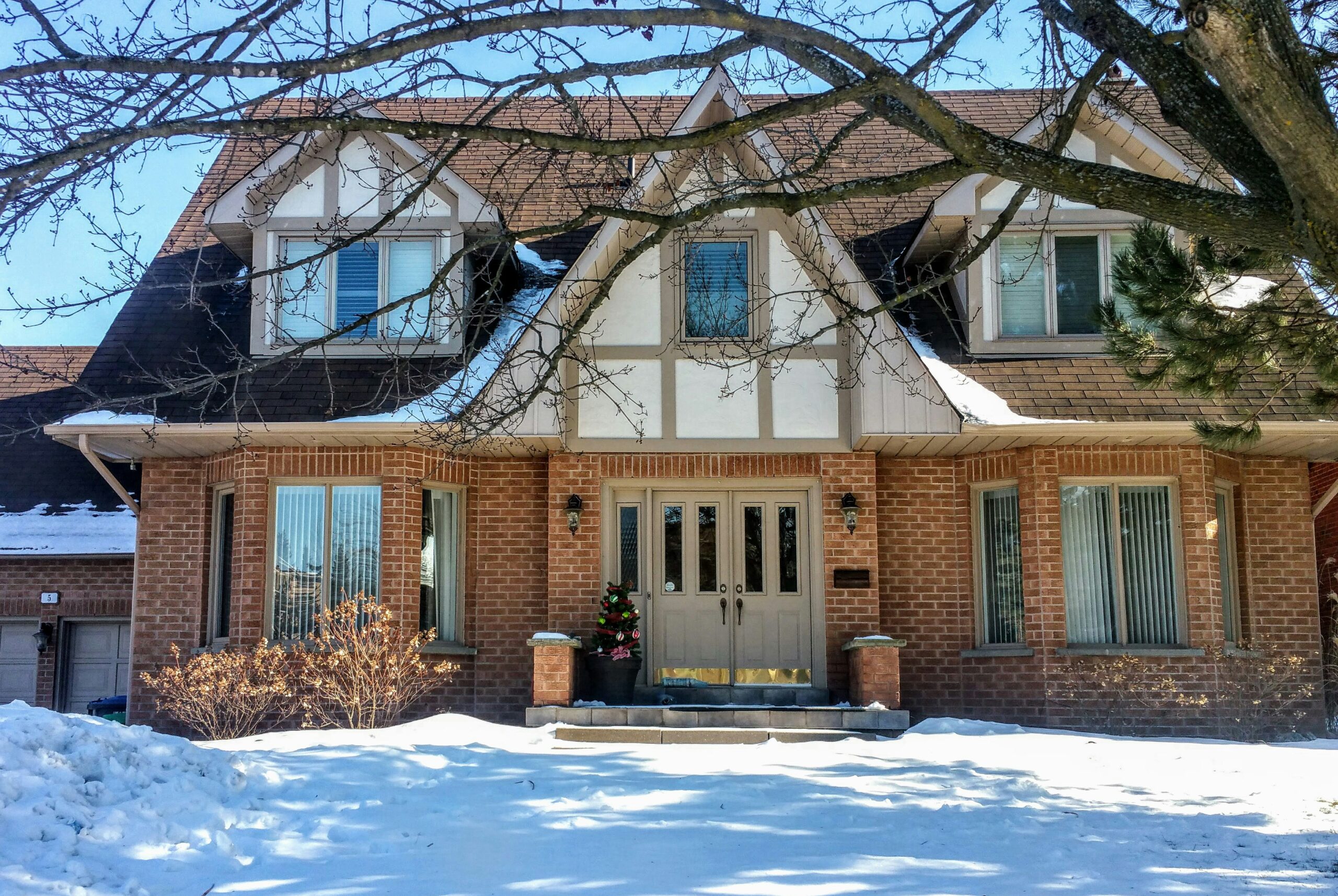
Winter doesn’t announce itself politely. One day it’s a crisp autumn morning, and the next day your pipes are frozen, your heating system is struggling, and there’s a draft coming from somewhere you can’t find. If you haven’t prepared your home by then, you’re in for a miserable — and expensive — few months.
I learned this the hard way my first year as a homeowner. I figured winterizing was something people did in places with extreme cold, not where I lived. Then a cold snap hit, an outdoor faucet froze, and the pipe burst inside the wall. The repair bill was over $800, and the drywall damage took weeks to fix. All because I didn’t spend 20 minutes wrapping a pipe and shutting off a valve.
Winterizing your home isn’t complicated, but it does require doing things before you actually need them. Once the temperature drops below freezing, some tasks become much harder or impossible. This guide walks you through everything you need to do to prepare your home for cold weather, organized by priority so you can tackle the most important things first.
When to Start Winterizing
Aim to have everything done by late fall, before the first hard freeze. For most regions, that means completing your winterization tasks in October or early November. If you live in an area with mild winters, you can push it to late November, but don’t skip it entirely — even a night or two of freezing temperatures can cause damage if you’re not prepared.
Watch the forecast. If an early cold snap is coming, prioritize the outdoor tasks first (faucets, hoses, and irrigation) since those are the most vulnerable.
Priority 1: Protect Your Pipes (Do This First)
Frozen pipes are the most common and most damaging winter problem homeowners face. When water freezes, it expands, which can split pipes open. When the ice thaws, you’ve got a flood.
Shut Off and Drain Outdoor Faucets
This is the single most important winterization task.
- Find the shutoff valve for each outdoor faucet. This is usually inside the house, near where the faucet exits the wall. It might be in the basement, crawlspace, or utility room.
- Turn the valve off.
- Go outside and open the outdoor faucet fully. Leave it open.
- Go back inside and open the drain cap on the shutoff valve if it has one. This allows water to drain out of the pipe between the valve and the outdoor faucet. Put a bucket underneath to catch the water.
- Leave the outdoor faucet open all winter. If any water is trapped in the pipe, it needs room to expand without breaking the pipe.
If you don’t have an indoor shutoff valve for your outdoor faucets, consider having one installed. In the meantime, buy foam faucet covers from the hardware store. They insulate the faucet and cost about $5 each.
Disconnect and Store Hoses
Disconnect all garden hoses from outdoor faucets. A hose left connected traps water inside the faucet, which freezes and can split the pipe inside the wall.
Drain the hoses, coil them, and store them in a garage, shed, or basement. Don’t leave them outside — the rubber degrades in freezing temperatures.
Drain Sprinkler Systems
If you have an underground sprinkler system, it needs to be drained before freezing weather. Water left in the underground pipes will freeze and crack them.
There are three methods for draining a sprinkler system:
- Manual drain — Open manual drain valves at the low points of the system
- Automatic drain — Run the system briefly to activate the automatic drain valves
- Blowout — Use an air compressor to blow water out of the pipes (usually done by a professional)
If you’re not sure how to drain your system, hire an irrigation company to do a blowout. It typically costs $50 to $150, which is much cheaper than repairing cracked underground pipes in the spring.
Insulate Exposed Pipes
Any pipes in unheated areas — basements, crawlspaces, garages, and exterior walls — should be insulated to prevent freezing.
Use foam pipe insulation sleeves, which are available at any hardware store. They’re pre-slit so you can snap them over the pipe, then tape the seams. Pay special attention to pipes near exterior walls and in areas with poor insulation.
For extra protection in very cold climates, wrap pipes with heat tape or heat cable, which provides gentle warmth when temperatures drop. Follow the manufacturer’s instructions carefully — some types can’t overlap and can be a fire hazard if installed incorrectly.
Know Where Your Main Shutoff Is
If a pipe does freeze or burst, you need to turn off the water fast. Make sure you know where your main water shutoff valve is and that you can actually turn it. If it’s stuck or hard to reach, fix that before winter.
Priority 2: Prepare Your Heating System
Your heating system is about to work hard for several months. Make sure it’s ready.
Schedule a Furnace or Boiler Inspection
Have a professional inspect and service your heating system before cold weather arrives. A technician will:
- Check the heat exchanger for cracks
- Clean the burners
- Test safety controls
- Check for carbon monoxide leaks
- Inspect the flue and ventilation
- Lubricate moving parts
A typical inspection costs $80 to $150, but it can prevent expensive mid-winter breakdowns and keep your system running efficiently.
Replace the Furnace Filter
A dirty filter restricts airflow, making your furnace work harder and use more energy. Replace it before the heating season starts, and check it monthly during winter. Most homes need a new filter every one to three months during heating season.
Test Your Thermostat
Turn the heat on before you actually need it. Set the thermostat to your desired temperature and make sure the furnace kicks on and heats the house to the set point. If it doesn’t, troubleshoot or call for service before the first cold night.
If you have a programmable or smart thermostat, set a heating schedule. Lowering the temperature by 5 to 10 degrees when you’re asleep or away from home saves a significant amount on heating costs.
Check Carbon Monoxide and Smoke Detectors
Heating season is carbon monoxide season. Any fuel-burning appliance (furnace, boiler, water heater, fireplace, space heater) produces carbon monoxide if it’s not functioning properly.
Test every carbon monoxide detector and smoke detector in your home. Replace batteries if needed. If your carbon monoxide detectors are more than 10 years old, replace them entirely.
Clean Heating Vents and Radiators
Dust and furniture blocking heating vents reduce efficiency. Vacuum vent covers and make sure nothing is blocking airflow. If you have radiators, bleed them to remove trapped air so they heat evenly.
Priority 3: Seal Drafts and Insulate
Heat loss through drafts and poor insulation makes your home less comfortable and increases your heating bill. Addressing these issues before winter pays off all season.
Check Weatherstripping on Doors
Close each exterior door on a piece of paper. If you can pull the paper out easily without it tearing, the weatherstripping isn’t doing its job. Replace worn weatherstripping around all exterior doors.
Also check the door sweep at the bottom of each door. If you can see daylight under the door, cold air is coming in. Install a new door sweep — they cost about $10 and take five minutes to attach.
Seal Window Gaps
Check windows for drafts by holding a lit candle or incense stick near the frame on a windy day. If the flame flickers, there’s a draft.
For small gaps, apply caulk around the window frame where it meets the wall. For gaps between the window sash and frame, apply weatherstripping or use a window insulation kit (shrink film that you apply with a hair dryer). These kits cost about $5 to $10 per window and make a noticeable difference.
Add Insulation Where Needed
If your attic has less than 10 to 14 inches of insulation, adding more is one of the best investments you can make for energy efficiency. Heat rises, and an under-insulated attic lets it escape.
Check the insulation in your basement or crawlspace as well. Pipes and ductwork in these areas should be insulated to prevent heat loss and freezing.
Check the Fireplace
If you have a wood-burning fireplace, have the chimney inspected and cleaned before using it. Creosote buildup in the chimney is a leading cause of house fires.
Make sure the damper closes tightly when the fireplace isn’t in use. An open damper is like leaving a window open — warm air goes straight up the chimney.
If you never use your fireplace, consider having it sealed or installing a chimney balloon to block the airflow.
Priority 4: Prepare the Exterior
Your home’s exterior takes the brunt of winter weather. A little preparation prevents damage.
Clean the Gutters
Clogged gutters cause ice dams — ridges of ice that form at the edge of the roof and prevent melting snow from draining. Water backs up under the shingles and leaks into the house.
Clean all gutters and downspouts after the leaves have fallen but before the first freeze. Make sure downspouts direct water at least 3 to 5 feet away from the foundation.
Check the Roof
Look for missing, damaged, or loose shingles. Check the flashing around chimneys, vents, and skylights. Any damage should be repaired before snow and ice make it worse.
If you’re not comfortable on a ladder, hire someone to do a quick inspection. It’s worth the cost to catch problems early.
Trim Trees Near the House
Branches that hang over your roof or near power lines should be trimmed before winter. Snow and ice make branches heavy, and they can break and fall on your roof, car, or power lines.
Repair Cracks in Driveways and Walkways
Water gets into cracks, freezes, expands, and makes the cracks larger. Seal cracks in concrete and asphalt before winter to prevent this cycle from making them worse.
Store Outdoor Furniture and Decorations
Clean and store patio furniture, cushions, umbrellas, and outdoor decorations. If you can’t store them inside, cover them with waterproof covers secured against wind.
Priority 5: Prepare Emergency Supplies
Winter storms can cause power outages and make roads impassable. Have these supplies ready before you need them:
- Flashlights and extra batteries
- Battery-powered or hand-crank radio
- Extra blankets and warm clothing
- Non-perishable food and water for at least three days
- A manual can opener
- A first aid kit
- Firewood if you have a fireplace or wood stove
- A backup heat source (space heater, generator) — but never use outdoor grills, camp stoves, or generators indoors due to carbon monoxide risk
- Rock salt or ice melt for walkways
- A snow shovel
If you have a generator, test it before winter and make sure you have fuel. Always run generators outside, at least 20 feet from the house.
Quick Reference: Winterization Checklist
| Priority | Task |
|---|---|
| 1 – Pipes | Shut off and drain outdoor faucets, disconnect hoses, drain sprinklers, insulate pipes, locate main shutoff |
| 2 – Heating | Schedule furnace inspection, replace filter, test thermostat, check detectors, clean vents |
| 3 – Sealing | Check weatherstripping, seal window gaps, add insulation, inspect fireplace |
| 4 – Exterior | Clean gutters, check roof, trim trees, repair cracks, store furniture |
| 5 – Emergency | Gather flashlights, batteries, blankets, food, water, heat backup, snow removal |
Frequently Asked Questions
What happens if I don’t winterize my outdoor faucets?
Water left inside the faucet and the pipe leading to it can freeze. When water freezes, it expands and can split the pipe. When the ice thaws, the split pipe leaks water inside your wall, which can cause significant damage before you notice it. Shutting off the indoor valve and draining the pipe prevents this.
At what temperature do pipes freeze?
Pipes typically freeze when the temperature drops below 20°F (-6°C) for an extended period. However, pipes in unheated areas like garages, crawlspaces, and exterior walls can freeze at higher temperatures if they’re not insulated. Wind chill also plays a factor — cold wind blowing on an exposed pipe can freeze it faster than still air at the same temperature.
Should I leave my faucets dripping during a freeze?
Yes, if you’re concerned about pipes freezing. A slow drip keeps water moving through the pipe, which makes it less likely to freeze. Focus on faucets served by pipes in exterior walls or unheated areas. A slow drip is much cheaper than a burst pipe.
How do I know if a pipe is frozen?
The most obvious sign is little or no water coming out of a faucet when you turn it on. If only one faucet has this problem, the frozen pipe is likely in the wall near that fixture. If multiple faucets are affected, the freeze is likely in the main supply line.
Can I thaw a frozen pipe myself?
Yes, if the pipe hasn’t burst. Open the faucet so melting water can flow out. Apply heat to the pipe using a hair dryer, heat gun on a low setting, heating pad, or towels soaked in hot water. Start from the faucet end and work toward the frozen section. Never use an open flame or boiling water directly on the pipe — the rapid temperature change can cause it to crack. If you can’t access the frozen pipe or it has burst, call a plumber.