
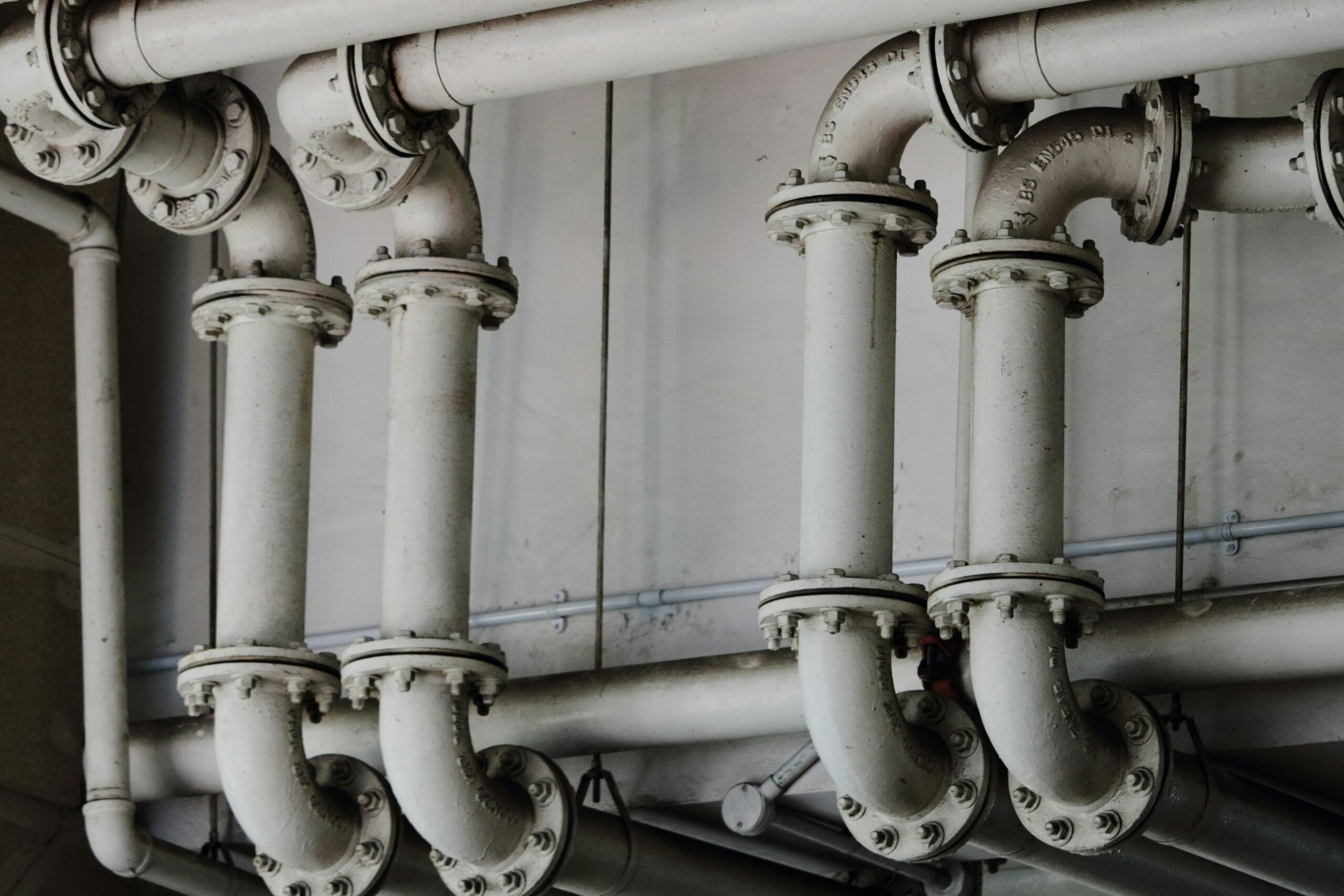
Small water leaks are sneaky. They don’t make dramatic puddles on the floor or spray water across the room like in the movies. Instead, they drip slowly behind walls, under cabinets, or beneath the floor where you can’t see them. By the time you notice the damage, you might be looking at warped flooring, mold growth, or a surprisingly high water bill.
I know this from experience. A tiny pinhole leak in a pipe behind my bathroom wall went unnoticed for months. The first sign was a faint musty smell I couldn’t track down. The second sign was a water bill that was $30 higher than normal. By the time I found the leak, the drywall behind the toilet was soft and the studs were damp. What would have been a simple pipe repair turned into replacing a section of wall.
Finding a small leak early saves you money, prevents structural damage, and stops mold before it starts. This guide shows you how to track down hidden leaks using simple methods that don’t require any special equipment.
Signs You Might Have a Hidden Leak
Before you start searching, look for these common indicators that a leak exists somewhere in your home:
- Higher than normal water bill — If your water usage hasn’t changed but your bill has increased, something is draining water somewhere.
- Sound of running water — If you hear water running or dripping when no fixtures are in use, something is leaking.
- Musty or moldy smell — Mold needs moisture to grow. A persistent musty smell often indicates a hidden water source.
- Warm spots on the floor — If you have a slab foundation, a hot water line leak under the slab can create a warm spot on the floor.
- Wet or damp areas — Any area that stays damp without explanation, especially under sinks, near walls, or around appliances.
- Low water pressure — A sudden drop in pressure can indicate a leak in the supply line.
- Cracking or bubbling paint or wallpaper — Moisture behind the wall damages the surface finish.
- Warped or buckling flooring — Wood and laminate floors warp when exposed to moisture from below.
- Unexplained puddles in the yard — A leaking underground pipe can saturate the soil, creating soggy spots or lush green patches in the lawn.
- Water meter spinning when nothing is on — This is one of the most reliable indicators, which we’ll cover next.
If you notice any of these signs, it’s time to start investigating.
Method 1: The Water Meter Test
This is the most reliable way to determine if you have a leak somewhere in your plumbing system. It takes about 30 minutes and costs nothing.
Step 1: Find Your Water Meter
Your water meter is usually located outside near the street in a covered box, or on the side of your house. In colder climates, it may be in the basement or a utility room. It’s a round or rectangular device with numbers that spin when water flows through it.
Step 2: Turn Off All Water
Make sure no water is being used anywhere in the house. This includes:
- Faucets and showers
- Toilets
- Dishwasher and washing machine
- Ice makers
- Water softeners
- Outdoor hoses and sprinklers
If anything is using water during the test, the results will be inaccurate.
Step 3: Check the Meter
Open the meter box and look at the meter face. Most meters have a small triangle or diamond-shaped indicator called a leak detector that spins when even a small amount of water flows through. If this indicator is moving when all water is off, you have a leak somewhere.
If your meter doesn’t have a leak detector, write down the numbers on the meter. Wait 30 minutes without using any water, then check the numbers again. If they’ve changed, you have a leak.
Step 4: Determine If It’s Inside or Outside
To narrow down the location, find the main water shutoff valve for your house. This is usually near the water meter or where the main water line enters the house. Turn it off.
Now check the meter again. If the meter has stopped moving, the leak is inside the house. If the meter is still moving, the leak is between the meter and the house, which means it’s in the underground supply line.
This information helps you or a plumber know where to look.
Method 2: The Toilet Dye Test
Toilets are one of the most common sources of hidden leaks. The leak happens inside the tank, so water runs silently down the drain without you ever seeing it.
How to Test
- Remove the tank lid and add a few drops of food coloring or a dye tablet to the water in the tank. Don’t use bleach — it can damage the rubber parts.
- Wait 15 to 30 minutes without flushing.
- Check the water in the bowl. If it has changed color, water is leaking from the tank into the bowl.
This means the flapper valve at the bottom of the tank isn’t sealing properly. It’s a simple and cheap fix — a new flapper costs about $5 to $10 and takes 10 minutes to replace.
For more details, see our guide on why your toilet keeps running and what to check first.
Method 3: Check Under Sinks
Under-sink leaks are common but easy to miss because most people don’t look under their sinks regularly.
Kitchen Sink
Empty everything from under the kitchen sink. Turn on the water and let it run for a minute. Use a flashlight to look at:
- The drain pipes — check the connections where pipes meet, especially the P-trap
- The supply lines — the flexible hoses that connect the water valves to the faucet
- The bottom of the cabinet — look for water stains, warped wood, or dampness
- The back of the cabinet — water can run down the wall from a leak higher up
Dry the area with a paper towel first so you can see if new water appears.
Bathroom Sink
Do the same check under the bathroom sink. Bathroom sinks often have pop-up stoppers connected to a lever behind the faucet, which is another potential leak point.
Check the Supply Lines
Supply lines are the flexible hoses that connect your water valves to the faucet. Over time, the connections can loosen or the hoses can develop small cracks. Feel along the length of each supply line and check the connections at both ends for moisture.
If a supply line is bulging, cracking, or showing signs of corrosion, replace it before it bursts. This is a cheap fix that prevents expensive water damage.
Method 4: Check Around Appliances
Appliances that use water are common leak sources.
Water Heater
Look around the base of the water heater for water, rust, or dampness. Check the connections at the top where the water lines enter and exit. Look at the temperature and pressure relief valve — there should be a pipe extending from it toward the floor. If water is dripping from this pipe, the valve may be releasing pressure, which could indicate a problem with the tank.
A small amount of water under the water heater might be condensation, but any significant or persistent water should be investigated.
Washing Machine
Check the hoses connecting the washing machine to the water supply. These hoses are under constant pressure and can develop bulges, cracks, or leaks over time. Replace rubber hoses every 3 to 5 years, or upgrade to stainless steel braided hoses which last longer and are less likely to burst.
Pull the washing machine away from the wall if possible and check behind it for moisture.
Dishwasher
Look under the dishwasher for water. If you see water leaking from the front during a cycle, the door gasket may need to be replaced. Water under the dishwasher can also indicate a loose connection where the water line attaches or a problem with the drain hose.
Refrigerator
If your refrigerator has an ice maker or water dispenser, check the water line connection at the back. These small plastic lines can crack or come loose, causing a slow leak that runs under the fridge and damages the floor.
Method 5: Check Walls, Ceilings, and Floors
Hidden leaks often show up as damage to building materials before you see actual water.
Walls
Look for:
- Water stains or discoloration
- Peeling or bubbling paint and wallpaper
- Soft or crumbly drywall
- Mold growth
- Warped baseboards
Run your hand along the wall, especially near plumbing fixtures on the other side. A damp or cool spot can indicate moisture behind the wall.
Ceilings
A water stain on the ceiling almost always means a leak above. If the stain is below a bathroom, check the toilet, tub, and sink on the floor above. If it’s below the roof, check for roof damage.
Ceiling stains that grow larger or darken over time indicate an active leak. Stains that stay the same size may be from an old leak that’s been fixed, but it’s worth investigating to be sure.
Floors
Look for:
- Warped, buckling, or cupping wood floors
- Loose or lifting tiles
- Soft spots in the floor
- Damp carpet or padding
- Discoloration
If you suspect a leak under the floor but can’t see any damage, place a piece of aluminum foil or plastic wrap on the floor and tape down the edges. Check it after 24 hours. If there’s condensation on the underside, moisture is coming up through the floor.
Method 6: Check the Exterior and Yard
Not all leaks happen inside the house.
Hose Bibs and Outdoor Faucets
Turn on each outdoor faucet and watch the connection where the hose attaches. Look for drips from the faucet itself or where it connects to the house. A small drip can waste gallons of water per day.
Sprinkler System
If you have an underground sprinkler system, look for soggy patches in the lawn when the sprinklers haven’t been running. A broken sprinkler line underground can waste a significant amount of water and damage your foundation if it’s near the house.
Main Water Line
The main water line runs from the street to your house underground. If this line develops a leak, you may notice:
- Unusually wet or lush patches in the yard
- Water pooling near the foundation
- The sound of running water near the water meter
- A significant increase in your water bill
Main line leaks usually require a professional to locate and repair.
What to Do When You Find a Leak
Once you’ve found the source of the leak, take these steps:
1. Turn Off the Water
If the leak is at a specific fixture, turn off the valve for that fixture. If you can’t find a local shutoff or the leak is in a pipe, turn off the main water valve for the house.
2. Contain the Water
Place a bucket, towels, or a pan under the leak to prevent further damage to floors, walls, or cabinets.
3. Dry the Area
Use towels and fans to dry the affected area as quickly as possible. The longer materials stay wet, the more likely they are to develop mold.
4. Assess the Repair
Some leaks are simple DIY fixes:
- A dripping faucet usually needs a new washer or cartridge
- A running toilet needs a new flapper
- A loose supply line connection just needs tightening
- A leaky drain pipe may need a new washer or tightening of the slip nuts
Other leaks require a professional:
- Leaks behind walls or under slabs
- Leaks in the main water line
- Gas line leaks (if you smell gas, leave the house and call the gas company immediately)
- Any leak you’re not comfortable repairing yourself
5. Monitor for Mold
After fixing a leak, keep an eye on the affected area for signs of mold over the next few weeks. Mold can start growing within 24 to 48 hours of water exposure. If you see or smell mold, clean it up promptly or call a professional for larger areas.
How Much Water Does a Small Leak Waste?
It’s probably more than you think:
| Leak Size | Water Wasted Per Day | Water Wasted Per Year |
|---|---|---|
| Slow drip (1 drop per second) | 5-7 gallons | 2,000+ gallons |
| Fast drip | 15-20 gallons | 5,000+ gallons |
| Small stream | 50-100 gallons | 18,000+ gallons |
| Running toilet | 100-200 gallons | 36,000+ gallons |
Even a slow drip adds up to thousands of gallons per year. Finding and fixing leaks isn’t just about preventing damage — it’s about not paying for water you’re not using.
Preventing Future Leaks
While you can’t prevent every leak, a few habits reduce the likelihood:
- Check under sinks monthly as part of your home maintenance routine
- Replace washing machine hoses every 3 to 5 years, or upgrade to stainless steel braided hoses
- Don’t use drain cleaners — they damage pipes over time
- Insulate exposed pipes in unheated areas to prevent freezing and bursting in winter
- Know where your main shutoff valve is — if a pipe bursts, you need to turn off the water fast
- Monitor your water bill — a sudden increase is often the first sign of a hidden leak
Frequently Asked Questions
Can a small leak fix itself?
No. Leaks only get worse over time as water erodes the pipe material and surrounding surfaces. A small drip today can become a burst pipe tomorrow. Fix leaks as soon as you find them.
How much does a plumber charge to find a leak?
Rates vary by location, but expect to pay $75 to $200 for a leak detection service. If the leak is hidden behind a wall or under a slab, specialized detection equipment may be needed, which can cost more. Some plumbers waive the detection fee if you hire them to do the repair.
Can a water leak cause foundation problems?
Yes. Water from a leaking pipe under or near the foundation can cause the soil to expand and contract, which puts pressure on the foundation and can cause cracks. Over time, this can lead to serious structural issues. If you suspect a leak near your foundation, don’t wait to investigate.
How do I know if the leak is my responsibility or the water company’s?
Generally, you’re responsible for any leak on your side of the water meter. The water company is responsible for the line from the street to the meter. If the meter is still spinning after you turn off your main shutoff valve, the leak is likely on your side.
Is a slow leak really that urgent?
It depends on the location. A slow drip under a sink can wait a few days until you can fix it or get a plumber. A leak near electrical wiring, the foundation, or inside a wall should be addressed immediately because the potential for damage is much higher. When in doubt, fix it sooner rather than later.