
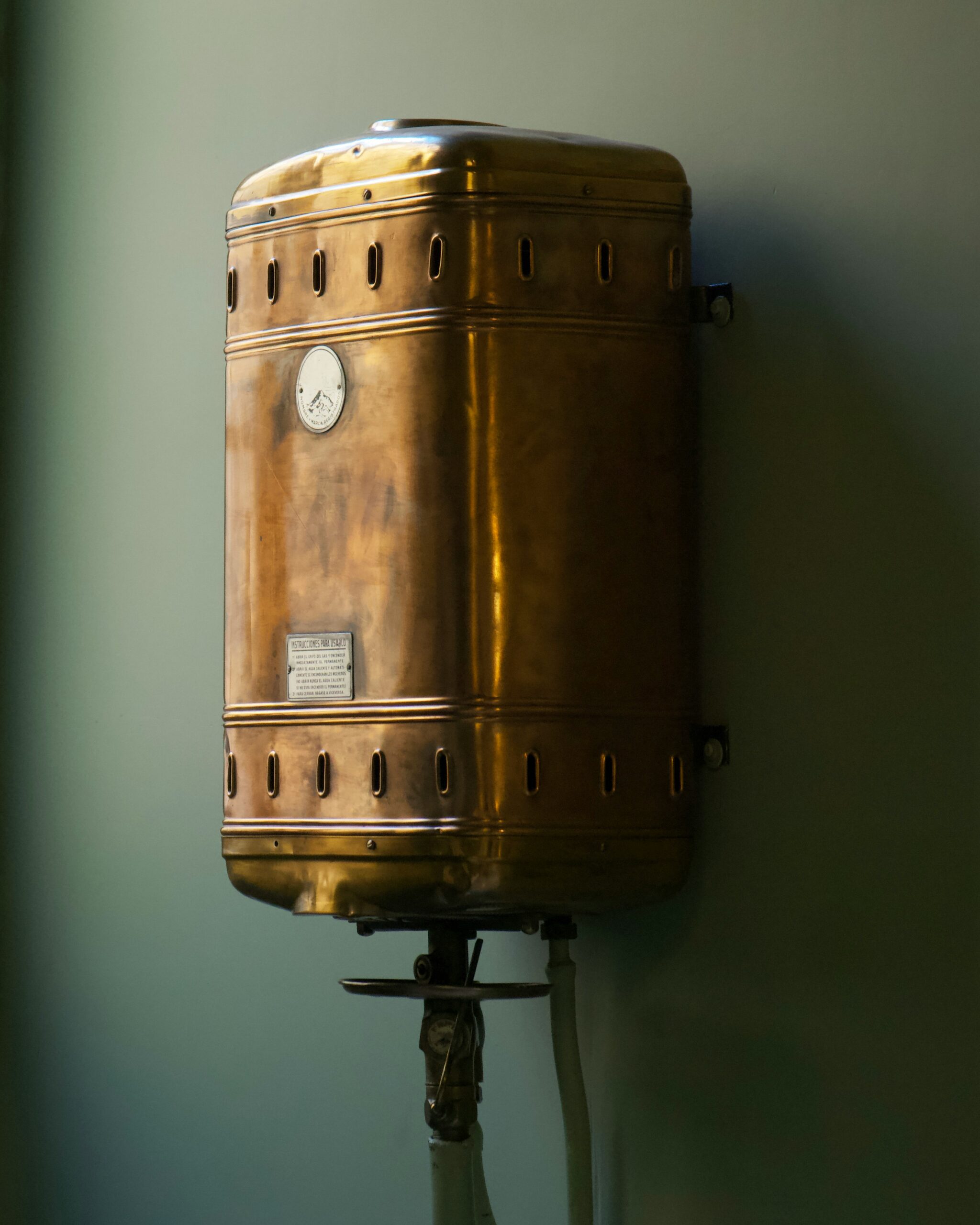
Your water heater is one of the hardest-working appliances in your home, and also one of the most ignored. It sits in a corner of the basement or a closet, quietly providing hot water for showers, laundry, and dishes day after day. As long as hot water comes out of the tap, most people never think about it.
I ignored mine for seven years. Then one morning, I turned on the shower and the water was lukewarm at best. A plumber came out and told me the tank was full of sediment, the anode rod was completely gone, and the tank itself was starting to corrode from the inside. I needed a new water heater. The old one was only eight years old — it should have lasted twelve to fifteen.
A water heater that’s properly maintained can last 12 to 15 years or more. One that’s ignored might fail in 8 to 10 years. And a failed water heater doesn’t just stop making hot water — it can leak and cause water damage, or in rare cases, even burst.
The good news is that water heater maintenance is simple and inexpensive. This guide covers the essential maintenance tasks that keep your water heater running efficiently and extend its life.
How a Water Heater Works
Understanding the basics helps the maintenance tasks make more sense.
A traditional tank water heater is pretty simple:
- Cold water enters the tank through a dip tube at the top
- A heating element (electric) or burner (gas) heats the water
- Hot water rises to the top of the tank and exits through the hot water outlet
- A thermostat controls the temperature
- A pressure relief valve prevents excessive pressure buildup
- An anode rod attracts corrosive elements in the water, sacrificing itself to protect the tank
The anode rod is the key to your water heater’s lifespan. It’s a metal rod, usually made of magnesium or aluminum with a steel core, that screws into the top of the tank. Through a process called electrolysis, the anode rod corrodes instead of the steel tank. When the anode rod is fully consumed, the tank starts to corrode.
This is why checking and replacing the anode rod is the most important maintenance task for extending the life of your water heater.
Maintenance Task 1: Flush the Tank Annually
Sediment builds up in the bottom of your water heater tank over time. Minerals in the water settle to the bottom, creating a layer of scale. This sediment causes several problems:
- Reduces efficiency — The sediment insulates the water from the heat source, making the heater work harder
- Increases energy costs — A heater working harder uses more energy
- Causes rumbling or popping sounds — Water trapped under the sediment boils and makes noise
- Reduces hot water capacity — Sediment takes up space that should be holding water
- Can cause the tank to overheat — In gas heaters, sediment can cause the bottom of the tank to overheat and damage the steel
Flushing the tank removes this sediment. Do this once a year.
How to Flush Your Water Heater
Step 1: Turn off the power
- For electric water heaters: Turn off the circuit breaker for the water heater
- For gas water heaters: Turn the gas control valve to “pilot” — don’t turn it completely off so the pilot light stays lit
Step 2: Turn off the cold water supply
Find the cold water valve on top of the heater (it’s the pipe with the blue handle or label) and turn it off.
Step 3: Let the water cool
The water in the tank is hot — 120°F or higher. Wait at least an hour or two for it to cool before draining. If you can’t wait, be very careful — the water coming out of the drain valve will be very hot.
Step 4: Connect a hose to the drain valve
The drain valve is near the bottom of the tank. Screw a garden hose onto it and run the other end to a floor drain, outside, or into a large bucket.
Step 5: Open a hot water faucet
Go to any hot water faucet in the house and turn it on. This allows air into the tank so it can drain. Without opening a faucet, a vacuum forms and the water won’t drain properly.
Step 6: Open the drain valve
Open the drain valve and let the water flow out. The initial water will probably be discolored — that’s the sediment.
Step 7: Stir up the sediment
To get the most sediment out, briefly turn the cold water supply back on for a few seconds while the drain valve is open. The incoming water stirs up the sediment on the bottom of the tank. Then turn the cold water off again and let it drain.
Repeat this process a few times until the water runs clear.
Step 8: Close the drain valve and refill the tank
Close the drain valve. Turn the cold water supply back on. Let the tank fill — this takes about 10 to 15 minutes. Keep the hot water faucet open until water flows steadily from it (this means the tank is full and air is out of the lines). Then turn the faucet off.
Step 9: Turn the power back on
- For electric: Turn the circuit breaker back on
- For gas: Turn the gas control valve back to the “on” position
Don’t turn the power on until the tank is full. Running an electric water heater with an empty tank will burn out the heating elements quickly.
Maintenance Task 2: Check the Anode Rod Every 2-3 Years
The anode rod is the sacrificial component that protects your tank from corrosion. When it’s fully consumed, the tank starts to rust. Checking it every 2 to 3 years and replacing it when it’s significantly worn can add years to the life of your water heater.
How to Check the Anode Rod
Step 1: Turn off the power and cold water supply
Same as flushing the tank — turn off the power and the cold water valve.
Step 2: Drain a few gallons of water
Open a hot water faucet, then open the drain valve briefly to drain a few gallons. You don’t need to empty the tank — just lower the water level below the anode rod opening at the top.
Step 3: Locate the anode rod
The anode rod is usually under a hex-head plug on top of the water heater. Sometimes it’s under the hot water outlet. If you don’t see a separate hex plug, the anode rod may be part of the hot water outlet nipple.
Step 4: Remove the anode rod
Use a socket wrench (usually 1-1/16 inch) to loosen the anode rod. Turn counterclockwise. It may be tight — use a breaker bar if needed.
If the rod is under the hot water outlet, you’ll need to disconnect the hot water pipe first.
Step 5: Inspect the rod
Pull the rod out and look at it. A healthy anode rod has some pitting but is mostly intact. If the rod is less than half its original thickness, or if the steel core wire is exposed along most of its length, it needs to be replaced.
If the rod is completely gone or just has small chunks left, your tank has been unprotected for a while. Check the tank for signs of rust.
Step 6: Replace if needed
If the rod needs replacing, buy a new one of the same type and length. Magnesium rods are standard and work well in most water conditions. Aluminum rods are better for areas with very hard water or water that smells like rotten eggs.
If your ceiling is too low for a full-length rod, buy a flexible anode rod. It’s made of several short segments connected by flexible joints so it can be bent to fit in tight spaces.
Wrap the threads of the new rod with Teflon tape and screw it in by hand. Then tighten with the socket wrench — snug but don’t overtighten.
Step 7: Restore water and power
Turn the cold water back on and let the tank fill. Open a hot water faucet until water flows steadily. Then turn the power back on.
Maintenance Task 3: Test the Temperature and Pressure Relief Valve
The temperature and pressure (T&P) relief valve is a critical safety device. If the water heater overheats or pressure builds up too high, this valve opens and releases water to prevent the tank from exploding.
A failed T&P valve is dangerous. Test it once a year.
How to Test the T&P Valve
Step 1: Locate the valve
The T&P valve is on the side or top of the tank. It has a lever that flips up or down and a pipe that extends down toward the floor.
Step 2: Place a bucket under the discharge pipe
The water that comes out will be hot. Make sure the bucket is positioned to catch it.
Step 3: Flip the lever
Lift the lever (or push it down, depending on the valve type) for a few seconds. You should hear water rushing through the pipe and see water coming out of the discharge pipe.
Step 4: Release the lever
Let the lever snap back. The water should stop flowing.
Step 5: Check for leaks
If water continues to drip from the valve after you’ve released the lever, the valve isn’t sealing properly and needs to be replaced.
If the Valve Doesn’t Release Water
If nothing happens when you flip the lever, the valve is stuck and needs to be replaced immediately. A stuck T&P valve means your water heater has no safety release — this is a dangerous situation.
To replace the valve:
- Turn off the power and cold water supply
- Drain a few gallons from the tank to lower the water level below the valve
- Unscrew the old valve with a wrench
- Wrap the threads of the new valve with Teflon tape
- Screw the new valve in and tighten with a wrench
- Restore water and power
New T&P valves cost about $10 to $15 at hardware stores.
Maintenance Task 4: Adjust the Temperature
Most water heaters are set to 140°F at the factory, but 120°F is sufficient for most households and is recommended by the Department of Energy. Lowering the temperature:
- Reduces the risk of scalding
- Saves energy — about 4 to 5 percent for every 10°F reduction
- Slows sediment buildup
- Slows the rate at which the anode rod is consumed
How to Adjust the Temperature
For gas water heaters:
The thermostat is on the gas control valve on the outside of the tank. Turn the dial to “warm” or adjust it to the 120°F mark. Some dials don’t have temperature markings — if yours doesn’t, adjust it slightly and check the water temperature at a faucet with a thermometer.
For electric water heaters:
The thermostats are behind access panels on the side of the tank. Most electric heaters have two — one upper and one lower. Both should be set to the same temperature.
- Turn off the circuit breaker
- Remove the access panel(s) and insulation
- Use a screwdriver to adjust the thermostat dial to 120°F
- Replace the insulation and access panel
- Turn the breaker back on
Wait a few hours, then check the water temperature at a faucet with a thermometer. Adjust if needed.
Maintenance Task 5: Insulate the Tank and Pipes
If your water heater is in an unheated space like a garage or basement, insulation reduces heat loss and saves energy.
Insulating the Tank
Buy a pre-cut water heater insulation blanket (about $20 at hardware stores). These are designed to wrap around the tank.
Important safety notes:
- For gas water heaters, do not cover the top of the tank or the burner access area. The blanket should not block airflow to the burner.
- For electric water heaters, you can cover the top but do not cover the access panels or the T&P valve.
- Do not block the drain valve or the flue on gas heaters.
Insulating the Pipes
Insulate the hot water pipe coming out of the top of the tank for at least the first 3 feet. This reduces heat loss as water travels from the heater to your fixtures. Use foam pipe insulation sleeves that snap over the pipe.
While you’re at it, insulate the cold water pipe for the first 3 feet too. This prevents condensation in humid weather.
Gas vs. Electric Water Heater Maintenance
Most maintenance tasks are the same, but there are a few differences:
Gas Water Heaters
- Inspect the burner — The flame should be blue with minimal yellow. A yellow flame indicates incomplete combustion and may produce carbon monoxide. If you see a yellow flame, have a professional check it.
- Check the flue — Make sure the exhaust flue is properly connected and not blocked. A blocked flue can cause carbon monoxide to enter your home.
- Keep the area around the heater clear — Don’t store items near the burner access area.
Electric Water Heaters
- Check the heating elements — If you’re not getting enough hot water, a heating element may have failed. This is a common issue and can be replaced without draining the tank.
- Never run the heater empty — Turning on an electric water heater before the tank is full will burn out the heating elements in minutes.
When to Replace Your Water Heater
Even with perfect maintenance, water heaters don’t last forever. Here are signs it’s time to replace:
- Age — If your water heater is more than 10 to 12 years old, start planning for replacement. It’s better to replace it on your schedule than to deal with an emergency failure.
- Rusty water — If hot water is rusty or brown, the tank may be rusting from the inside. This is a sign the tank is failing.
- Rumbling or banging — Severe sediment buildup that doesn’t improve after flushing.
- Leaking — Any water pooling around the base of the tank indicates a leak. Small leaks can become big ones quickly.
- Insufficient hot water — If the tank can’t keep up with demand despite proper maintenance, it may be undersized or failing.
Check the serial number on the tank to determine the age. The first two digits usually represent the year of manufacture. If you’re not sure, look up the manufacturer’s date code system online.
Quick Reference: Water Heater Maintenance Schedule
| Task | Frequency |
|---|---|
| Flush the tank | Once a year |
| Check the anode rod | Every 2-3 years |
| Test the T&P valve | Once a year |
| Adjust temperature | Once (then check annually) |
| Insulate tank and pipes | Once |
| Inspect burner (gas only) | Once a year |
| Check for leaks | Monthly (visual check) |
Frequently Asked Questions
How long does a water heater last?
With proper maintenance, a traditional tank water heater lasts 12 to 15 years. Without maintenance, 8 to 10 years is typical. Tankless water heaters can last 20 years or more because they don’t have a tank that corrodes.
Should I flush my water heater if I’ve never done it and it’s 10 years old?
Yes, but be careful. If the tank has never been flushed, the sediment may have hardened into a solid layer. Flushing might dislodge chunks that could clog the drain valve. If the tank is already 10 years old and you’ve never maintained it, flushing it is still worth trying — just be prepared for the drain valve to clog. If it does, you may need to replace the drain valve or call a plumber.
Can I extend the life of my water heater indefinitely?
No. Eventually the tank will fail, even with perfect maintenance. The anode rod protects the tank, but once the rod is consumed and the tank starts to corrode, it’s only a matter of time. Regular maintenance delays this process but doesn’t prevent it entirely.
Why does my hot water smell like rotten eggs?
This is caused by hydrogen sulfide gas, which is produced when bacteria in the water react with the anode rod. It’s more common with aluminum anode rods in water with high sulfate content. Solutions include replacing the aluminum rod with a magnesium rod, chlorinating the tank, or installing a water treatment system.
Is a tankless water heater worth it?
Tankless water heaters last longer (20+ years), take up less space, and provide unlimited hot water. They’re also more energy-efficient because they don’t heat water continuously. However, they cost more to purchase and install ($1,500 to $3,000 vs. $500 to $1,000 for a tank heater), and they may require upgraded gas lines or electrical circuits. If you’re replacing a tank heater, the payback period on energy savings is typically 6 to 12 years.