
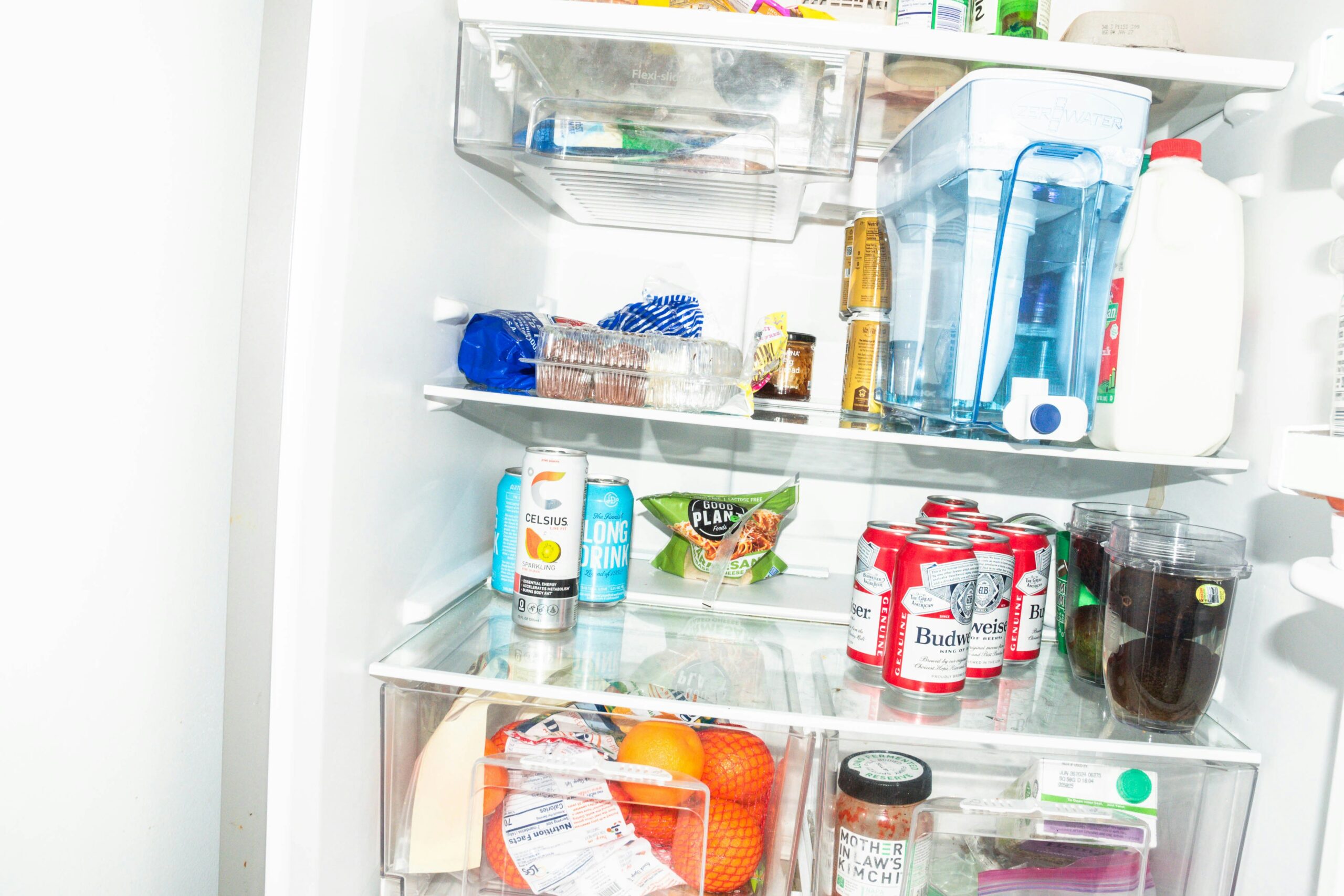
The refrigerator is the hardest-working appliance in your kitchen, and it’s also the one most likely to become a disaster zone. Leftovers get pushed to the back and forgotten. Condiments multiply until they take over an entire shelf. Produce rots in the crisper drawer because you can’t see what’s in there. And at some point, something spills and leaves a sticky residue that bonds to the shelf like epoxy.
I used to clean my refrigerator once a year — usually right before Thanksgiving when I needed room for a turkey. The rest of the year, I just shoved things in and hoped for the best. Then I read that the average American family throws away about $1,500 worth of food every year, much of it because it goes bad in the fridge. That got my attention.
A clean, organized refrigerator isn’t just about aesthetics. It saves you money by reducing food waste. It keeps your food safe by preventing cross-contamination and maintaining proper temperatures. And it makes cooking easier because you can actually find what you’re looking for.
This guide covers how to deep clean your refrigerator, how to organize it so food stays fresh longer, and how to maintain it so it runs efficiently.
Step 1: Prepare to Clean
Turn Off or Adjust the Temperature
Before you start emptying the fridge, turn the temperature up slightly or turn the fridge off if you’ll be working for a while. This saves energy while the door is open.
If you turn the fridge off, keep the door closed as much as possible to keep the cold in. Most refrigerators can maintain a safe temperature for 30 to 45 minutes with the door closed.
Gather Your Supplies
- Cooler or ice chest for perishable items
- Trash bags
- Large container for items you’re keeping
- Dish soap
- White vinegar
- Baking soda
- Spray bottle
- Microfiber cloths or sponges
- Old toothbrush (for crevices)
- Towels for drying
- Fresh box of baking soda for odor absorption
Clear Counter Space
You’ll need a place to put everything from the fridge. Clear off your kitchen counters and line them with towels. Have your cooler nearby for items that need to stay cold.
Step 2: Empty the Refrigerator
Take everything out. Everything. Don’t try to clean around things — a proper deep clean requires an empty refrigerator.
As you remove items, sort them into three categories:
- Keep — Food that’s still good and you’ll use
- Toss — Food that’s expired, spoiled, or you’ll never use
- Relocate — Items that don’t belong in the fridge (potatoes, onions, tomatoes, honey, etc.)
Check Expiration Dates
Be ruthless. If something is past its expiration date, toss it. If you can’t remember when you bought it or when you opened it, toss it. If it looks or smells off, toss it.
Common items that linger too long:
- Condiments (ketchup, mustard, salad dressings) — Check the dates. Most are good for 6 months to a year after opening, but not indefinitely.
- Jams and jellies — Usually good for 6 to 12 months after opening.
- Pickles and olives — Good for about a year after opening.
- Leftovers — Toss anything older than 3 to 4 days.
- Lunch meat — Good for 3 to 5 days after opening.
- Eggs — Good for 3 to 5 weeks after purchase.
Don’t Forget the Door
The door is where expired condiments go to die. Check every bottle and jar. You’ll probably be surprised by what you find.
Step 3: Clean the Interior
Now that the refrigerator is empty, it’s time to clean every surface.
Remove the Shelves and Drawers
Take out all removable shelves, bins, and drawers. This is important — you can’t clean them properly while they’re in the fridge.
Wash Removable Parts
-
Wash shelves and drawers in the sink with warm water and dish soap. Use a sponge or cloth to scrub away spills and residue.
-
For stubborn stains, make a paste of baking soda and water. Apply it to the stain, let it sit for 15 minutes, then scrub.
-
Rinse thoroughly and dry with a clean towel.
Caution: Let glass shelves come to room temperature before washing them with warm water. If they’re cold and you hit them with hot water, the temperature change can crack the glass.
Clean the Interior Walls
-
Spray the interior with a solution of equal parts white vinegar and water. Vinegar cuts through grease and grime, kills bacteria, and removes odors.
-
Let it sit for a few minutes on stubborn spots.
-
Wipe clean with a damp cloth or sponge.
-
Scrub crevices with an old toothbrush. Pay attention to the seams and corners where gunk accumulates.
-
Dry all surfaces with a clean towel.
Clean the Gasket
The rubber gasket (door seal) can collect crumbs, mold, and sticky residue.
-
Wipe the gasket with a cloth dampened with vinegar and water.
-
Use a toothbrush to scrub the folds and crevices.
-
Dry the gasket thoroughly. A wet gasket can develop mold.
-
Check for damage. If the gasket is torn or cracked, it won’t seal properly, which makes the fridge work harder and can lead to temperature issues.
Deal with Odors
If your refrigerator has a persistent odor even after cleaning:
-
Place an open box or bowl of baking soda on one of the shelves. Baking soda absorbs odors. Replace it every 3 months.
-
Place a bowl of dry coffee grounds in the fridge. Coffee also absorbs odors.
-
Soak a cotton ball in vanilla extract and place it in the fridge. This adds a pleasant scent.
-
For strong odors, crumple newspaper and place it in the fridge with a bowl of water. The newspaper absorbs odors. Change it daily for a few days.
Step 4: Clean the Exterior
For Stainless Steel Refrigerators
-
Wipe with a damp microfiber cloth and a small amount of dish soap.
-
Dry with a clean cloth to prevent water spots.
-
For streaks and fingerprints, use a stainless steel cleaner or a solution of equal parts water and white vinegar. Wipe in the direction of the grain.
-
Don’t use abrasive cleaners, scouring pads, or bleach on stainless steel.
For White or Colored Refrigerators
-
Wipe with a damp cloth and mild soap.
-
For stubborn stains, make a paste of baking soda and water and scrub gently.
-
Dry with a clean cloth.
Clean the Handles
The handles are one of the germiest spots in the kitchen. Wipe them with a disinfecting wipe or a cloth dampened with vinegar.
Clean the Top
The top of the refrigerator is a dust magnet. Wipe it with a damp cloth. If you use the top for storage, consider removing items to make cleaning easier and to allow for proper air circulation.
Step 5: Clean Under and Behind the Refrigerator
This is the step most people skip, and it’s important for both cleanliness and efficiency.
Pull the Refrigerator Out
-
Have someone help you. Refrigerators are heavy and awkward.
-
Protect your floor. If you have hardwood or vinyl flooring, put a large piece of cardboard or a furniture slider under the fridge before pulling it out. Don’t drag it across the floor.
-
Pull it out slowly and carefully. Don’t yank it — you could damage the water line (if you have an ice maker) or the power cord.
Clean the Floor
Sweep and mop the floor under and behind the refrigerator. You’ll probably find dust bunnies, crumbs, and maybe a magnet or two that fell off the door.
Clean the Coils
The condenser coils (usually on the back or underneath the refrigerator) release heat. If they’re covered in dust and pet hair, the refrigerator has to work harder to stay cool, which increases energy use and shortens the lifespan of the compressor.
-
Locate the coils. They may be on the back of the fridge or underneath it (accessible from the front or back).
-
Use a coil cleaning brush (a long, thin brush designed for this purpose — about $5 at hardware stores) or a vacuum with a brush attachment to gently remove dust and debris.
-
Be gentle. Don’t bend or damage the coils.
-
Clean the coils every 6 months to keep the refrigerator running efficiently.
Check the Water Line
If your refrigerator has an ice maker or water dispenser, check the water line for kinks, cracks, or leaks. A damaged water line can cause a leak that damages your floor.
Step 6: Organize the Refrigerator
Now that the refrigerator is clean, it’s time to put everything back — but in a way that makes sense. Proper organization keeps food fresh longer, reduces waste, and makes it easier to find what you need.
The Golden Rules of Fridge Organization
-
Everything has a place. Assign specific areas for specific types of food.
-
First in, first out. Put newer items behind older ones so you use the older items first.
-
If you can see it, you’ll eat it. Keep items visible so they don’t get forgotten and go bad.
-
Don’t overpack the fridge. Cold air needs to circulate to keep food at a safe temperature. If the fridge is stuffed full, some areas won’t stay cold enough.
Where to Store Different Foods
The temperature in a refrigerator varies by location. The bottom is the coldest, the door is the warmest, and the middle is the most consistent. Use this to your advantage.
| Location | Temperature | Best For |
|---|---|---|
| Upper shelves | Most consistent temperature | Leftovers, drinks, ready-to-eat foods |
| Lower shelves | Coldest area | Raw meat, dairy, eggs |
| Crisper drawers | Controlled humidity | Produce |
| Door | Warmest area, most temperature fluctuation | Condiments, juices, butter |
Upper Shelves
Store foods that don’t need to be cooked:
- Leftovers
- Drinks
- Ready-to-eat foods
- Deli meats
- Snacks
Lower Shelves
Store foods that need to be kept the coldest:
- Raw meat (on a plate or in a container to catch drips)
- Dairy products (milk, yogurt, cheese)
- Eggs (in their original carton, not in the door)
Crisper Drawers
Most refrigerators have two crisper drawers with adjustable humidity settings.
High humidity (vent closed):
- Leafy greens
- Herbs
- Vegetables that wilt easily
Low humidity (vent open):
- Fruits that release ethylene gas (apples, pears, peaches)
- Vegetables that rot easily
Keep fruits and vegetables in separate drawers. Many fruits release ethylene gas, which causes vegetables to ripen and rot faster.
Door
The door is the warmest part of the refrigerator and has the most temperature fluctuation because it’s opened frequently. Don’t store highly perishable items here.
Good for the door:
- Condiments (ketchup, mustard, soy sauce, etc.)
- Pickles
- Salad dressings
- Butter (in a covered dish)
- Juice (pasteurized)
Bad for the door:
- Milk
- Eggs
- Raw meat
- Deli meat
Use Containers and Labels
Clear containers make it easy to see what’s in the fridge and keep things organized.
-
Use clear, airtight containers for leftovers and prepared foods. You can see what’s inside without opening them.
-
Label leftovers with the date. Use masking tape and a marker. This helps you know what to use first and when to throw things out.
-
Use bins or baskets to group similar items. A bin for snacks, a bin for cheese, a bin for lunch meat. You can pull the whole bin out to find what you need.
-
Use a lazy Susan for condiments. It makes it easy to see and access bottles in the back.
Foods That Don’t Belong in the Refrigerator
Some foods lose flavor, texture, or quality when refrigerated. Keep these out of the fridge:
- Tomatoes — Refrigeration makes them mealy and bland. Keep them on the counter.
- Potatoes — Refrigeration turns starches into sugar, changing the taste and texture. Store in a cool, dark place.
- Onions — Refrigeration makes them soft and moldy. Store in a cool, dry place (not next to potatoes).
- Garlic — Store in a cool, dry place.
- Bread — Refrigeration makes it stale faster. Store on the counter or freeze it.
- Honey — It doesn’t spoil and refrigeration makes it crystallize. Store in the pantry.
- Coffee — Refrigeration makes it absorb odors and lose flavor. Store in an airtight container in the pantry.
- Basil — It wilts in the fridge. Store like a bouquet of flowers in a glass of water on the counter.
- Avocados — Refrigeration stops them from ripening. Keep on the counter until ripe, then refrigerate if you need a day or two before using them.
- Bananas — Refrigeration turns the skin black. Keep on the counter.
How to Maintain Your Refrigerator
A little regular maintenance keeps your refrigerator clean and running efficiently.
Weekly
- Wipe up spills immediately when they happen. It’s much easier to clean a fresh spill than one that’s been sitting for days.
- Check for expired items before you go grocery shopping. This prevents the fridge from getting overcrowded.
- Do a quick wipe of the shelves and handles with a damp cloth.
Monthly
- Toss old leftovers and check expiration dates on condiments.
- Wipe down the interior with vinegar and water.
- Check the crisper drawers for spoiled produce.
Every 3 Months
- Do a deep clean following the steps in this guide.
- Replace the baking soda in the fridge.
- Check the temperature — the fridge should be at 37 to 40°F and the freezer at 0°F.
Every 6 Months
- Clean the condenser coils.
- Clean under and behind the refrigerator.
- Check the door gasket for damage and clean it.
How Long Does Food Last in the Refrigerator?
| Food | Refrigerator Life |
|---|---|
| Cooked leftovers | 3-4 days |
| Raw poultry | 1-2 days |
| Raw ground meat | 1-2 days |
| Raw steaks, chops, roasts | 3-5 days |
| Deli meat (opened) | 3-5 days |
| Eggs | 3-5 weeks |
| Milk | 5-7 days after opening |
| Yogurt | 1-2 weeks |
| Hard cheese | 3-4 weeks after opening |
| Soft cheese | 1 week after opening |
| Leafy greens | 3-7 days |
| Berries | 3-7 days |
| Carrots, celery | 2-4 weeks |
When in doubt, throw it out. Food poisoning is not worth the risk.
Frequently Asked Questions
What temperature should my refrigerator be set to?
37 to 40°F (3 to 4°C). Any warmer and bacteria can grow. Any colder and food can freeze. Use a refrigerator thermometer to check the temperature — the built-in dial isn’t always accurate.
How often should I clean my refrigerator?
A quick wipe-down weekly, a more thorough cleaning monthly, and a deep clean (including the coils and behind the fridge) every 6 months. If you spill something, clean it up immediately.
Why does my refrigerator smell bad even after cleaning?
The odor may be coming from the drain pan underneath the refrigerator. Condensation drains into this pan and evaporates, but if the pan is dirty or has standing water, it can cause odors. Check your owner’s manual for how to access and clean the drain pan.
Should I unplug my refrigerator to clean it?
It’s not necessary for routine cleaning. If you’re doing a deep clean that will take more than 30 minutes, you can turn the temperature up or unplug it to save energy. If you unplug it, keep the door closed as much as possible.
How long can food stay safe in the refrigerator if the power goes out?
A refrigerator will keep food cold for about 4 hours if the door stays closed. A full freezer will hold its temperature for about 48 hours (24 hours if it’s half full). If the power is out for longer, check the temperature of the food. If it’s above 40°F for more than 2 hours, throw it out.