
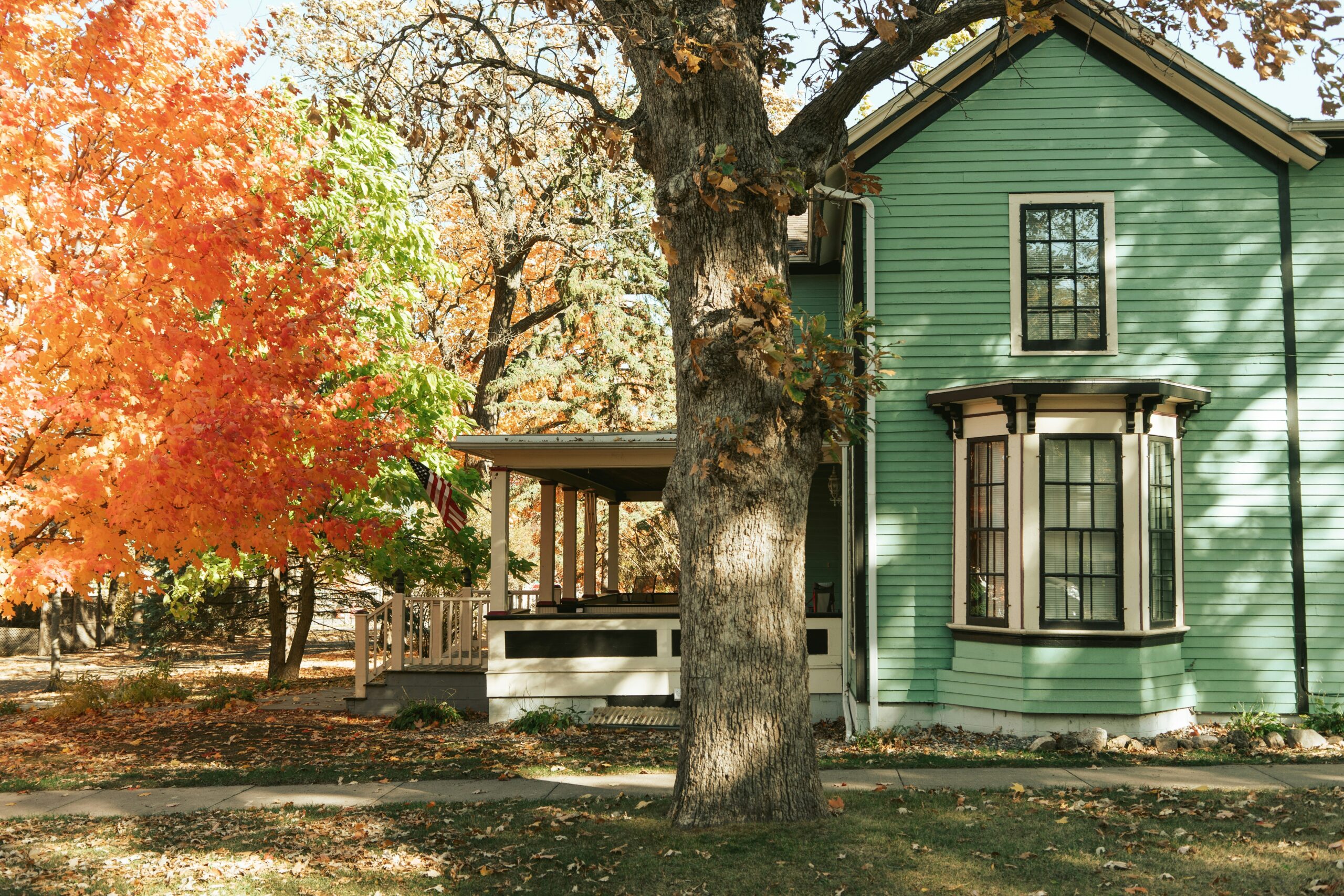
Fall is a strange time for homeowners. The weather is still pleasant, the leaves are changing, and it’s easy to convince yourself that winter is still far away. But the truth is, fall is your last chance to prepare your home for the cold months ahead. Once the temperature drops and the snow starts, many maintenance tasks become much harder — or impossible — to do.
I used to treat fall as just a season for raking leaves and putting away the patio furniture. Then I skipped cleaning my gutters one fall, and by January I had an ice dam that caused water to back up under my shingles and leak into the ceiling of my spare bedroom. The repair cost me over $2,000. A half hour of gutter cleaning could have prevented it.
This checklist covers the essential fall maintenance tasks that protect your home from winter damage. None of them are complicated or expensive, but they all need to be done before freezing weather arrives. Work through them in order of priority, and you’ll head into winter knowing your home is ready.
Exterior Preparation
Your home’s exterior takes the brunt of winter weather. These tasks protect your roof, walls, and foundation from damage caused by snow, ice, and freezing temperatures.
Clean the Gutters
This is the most important fall task. When leaves and debris clog your gutters, water can’t drain properly. In winter, that trapped water freezes and creates ice dams — ridges of ice along the roof edge that prevent melting snow from draining. The backed-up water seeps under the shingles and into your home.
When to do it: After most of the leaves have fallen but before the first freeze. Late October to mid-November in most regions.
How:
- Use a sturdy ladder on flat ground. Have someone hold it if possible.
- Wear gloves — gutter debris is gross and sometimes sharp.
- Scoop out leaves, twigs, and sediment by hand or with a small trowel.
- Flush the gutters with a hose to check for clogs and proper drainage.
- Make sure downspouts direct water at least 3 to 5 feet away from the foundation.
If your home is two stories or you’re not comfortable on a ladder, hire a professional. Gutter cleaning typically costs $100 to $250 depending on the size of your home.
Inspect the Roof
You don’t need to climb on the roof to check it. Walk around your property and look up with binoculars if you have them.
Look for:
- Missing, cracked, or curling shingles
- Damaged flashing around chimneys, vents, and skylights
- Sagging areas
- Moss or algae growth (moss holds moisture against the shingles)
- Debris in valleys or low spots
If you see damage, call a roofing professional for a proper inspection and repair. Don’t wait until winter — snow and ice will make small problems much worse.
Check the Foundation
Walk around the entire perimeter of your home and look for cracks in the foundation. Small hairline cracks are usually normal, but cracks wider than a quarter inch, horizontal cracks, or cracks that have grown since your last inspection should be evaluated by a professional.
Fill small cracks with concrete caulk or hydraulic cement to prevent water from seeping in. Water that gets into foundation cracks freezes and expands, making the cracks larger over time.
Inspect Siding and Paint
Look for loose, cracked, or rotting siding. Check for peeling paint, gaps between siding pieces, and signs of water damage. Replace damaged pieces and scrape and repaint areas where paint is failing before winter moisture makes the damage worse.
Seal Exterior Gaps
Check for gaps around:
- Outdoor faucets and pipes
- Electrical conduit and gas lines
- Dryer vents and exhaust fans
- Window and door frames
- Where the foundation meets the siding
Fill small gaps with caulk. For larger gaps, use expanding foam sealant. These gaps let cold air in and warm air out, and they can also let moisture and pests into your home.
Check Window and Door Weatherstripping
Feel around windows and doors for drafts on a windy day. Replace worn or damaged weatherstripping. Check door sweeps at the bottom of exterior doors — if you can see daylight, cold air is getting in.
This is one of the most cost-effective winterization tasks. A few dollars in weatherstripping can save you significantly on heating costs.
Yard and Landscape Preparation
Fall yard work isn’t just about keeping things looking nice — it’s about protecting your property from damage during winter storms.
Trim Trees and Remove Dead Branches
Snow and ice make branches heavy, and dead or damaged branches are the first to break. Trim any branches that hang over your roof, gutters, power lines, or driveway. If branches are large or near power lines, hire a professional tree service.
Clean Up Leaves
Don’t let a thick layer of leaves sit on your lawn all winter. They trap moisture against the grass, which causes mold and kills the lawn. Rake them up or use a mower with a bag attachment to collect them.
Leaves that pile up against the foundation or in window wells should be removed — they hold moisture against the house and can cause water infiltration.
Winterize the Lawn
Fall is the best time to fertilize your lawn. Apply a winterizing fertilizer that’s high in potassium, which strengthens the grass roots for winter. Do this about a month before the first expected freeze.
If your lawn has bare spots, overseed in early fall so the new grass has time to establish before winter.
Shut Off Outdoor Water
This is critical and was covered in detail in our winterization guide, but it’s worth repeating here because it’s so important:
- Find the shutoff valve for each outdoor faucet (usually inside the house)
- Turn the valve off
- Open the outdoor faucet and leave it open
- Drain the indoor valve if it has a drain cap
- Disconnect all hoses and store them inside
Drain and Store Summer Equipment
- Drain the fuel from your lawnmower or add fuel stabilizer
- Clean and store garden tools
- Drain and store hoses and sprinklers
- Clean and cover or store outdoor furniture
- Clean the grill and either cover it or store it
Aerate and Overseed the Lawn (If Needed)
If your lawn gets a lot of foot traffic or the soil is compacted, fall is the ideal time to aerate. Aeration pulls small plugs of soil out of the ground, allowing air, water, and nutrients to reach the roots. Follow up with overseeding to fill in thin areas.
Heating System Preparation
Don’t wait until the first cold night to find out your heating system isn’t working properly.
Schedule a Furnace or Boiler Inspection
Have a professional inspect and service your heating system before you need it. A typical inspection includes:
- Checking the heat exchanger for cracks
- Cleaning burners and ignition components
- Testing safety controls
- Checking for carbon monoxide leaks
- Inspecting the flue and ventilation
- Lubricating moving parts
This costs about $80 to $150 and can prevent expensive mid-winter breakdowns.
Replace Furnace Filters
A dirty filter restricts airflow, making your furnace work harder and use more energy. Replace the filter before the heating season starts and check it monthly during winter. Most homes need a new filter every one to three months during heating season.
Test the Heating System
Turn the heat on before you actually need it. Set the thermostat to your desired temperature and make sure the system kicks on and heats the house. If it doesn’t, schedule a service call before heating companies get busy.
Check Carbon Monoxide and Smoke Detectors
Test every detector in your home. Replace batteries if needed. If any detector is more than 10 years old, replace it entirely. Heating season is carbon monoxide season — make sure your detectors are working.
Inspect Fireplaces and Chimneys
If you have a wood-burning fireplace, have the chimney inspected and cleaned before using it. Creosote buildup in the chimney is a leading cause of house fires.
Make sure the damper opens and closes properly and seals tightly when closed. An open damper is like leaving a window open all winter.
Check Ductwork and Vents
If you have forced-air heating, check that all supply and return vents are open and unobstructed. Vacuum vent covers and make sure furniture isn’t blocking airflow.
If your ductwork runs through an unheated attic or crawlspace, make sure it’s properly insulated. Leaky or uninsulated ducts can lose 20 to 30 percent of the heated air before it reaches your rooms.
Interior Preparation
Reverse Ceiling Fans
If your ceiling fans have a reverse switch, flip it so the fan runs clockwise. This pushes warm air down from the ceiling into the living space. Most ceiling fans have a small switch on the motor housing.
Check Windows for Drafts
On a windy day, hold a lit candle or incense stick near window frames. If the flame flickers, there’s a draft. Apply caulk to gaps on the exterior and use weatherstripping or window insulation kits on the interior.
Test Sump Pump
If your home has a sump pump, test it before fall rains arrive. Pour water into the sump pit and make sure the pump turns on and empties the pit. A failed sump pump during a heavy rainstorm can result in a flooded basement.
Check the Water Heater
Look for leaks, rust, or unusual noises. If you haven’t flushed the tank in the last year, fall is a good time to do it. Flushing removes sediment that builds up at the bottom of the tank and reduces efficiency.
Consider adding an insulation blanket to your water heater if it’s in an unheated space. This reduces heat loss and can save you about 4 to 9 percent on water heating costs.
Prepare Your Entryway
Winter means mud, snow, and salt getting tracked into your house. Prepare your entryway:
- Place a heavy-duty mat outside the door to scrape off debris
- Add a water-absorbent mat inside to catch moisture
- Keep a tray or boot rack near the door for wet shoes
- Stock up on salt or ice melt for walkways
Safety and Emergency Preparation
Review Your Emergency Kit
Make sure you have:
- Flashlights and extra batteries
- Battery-powered radio
- Extra blankets and warm clothing
- Non-perishable food and water for at least three days
- First aid kit
- Backup heat source (but never use outdoor grills, camp stoves, or generators indoors)
- Firewood if you have a fireplace or wood stove
Prepare for Power Outages
If you have a generator, test it before winter and make sure you have fuel. Always run generators outside, at least 20 feet from the house.
If you don’t have a generator, consider what you’d do during an extended outage. How would you heat your home? How would you cook? Having a plan reduces stress when the power goes out.
Check Fire Extinguishers
Make sure you have a fire extinguisher in the kitchen, near the fireplace, and in the garage. Check the pressure gauge — it should be in the green zone. If it’s not, replace the extinguisher or have it recharged.
Quick Reference: Fall Maintenance Checklist
| Area | Task |
|---|---|
| Exterior | Clean gutters, inspect roof, check foundation, inspect siding, seal gaps, check weatherstripping |
| Yard | Trim trees, clean leaves, winterize lawn, shut off outdoor water, store equipment |
| Heating | Schedule inspection, replace filters, test system, check detectors, inspect fireplace, check ducts |
| Interior | Reverse fans, check windows, test sump pump, check water heater, prepare entryway |
| Safety | Review emergency kit, prepare for outages, check fire extinguishers |
Frequently Asked Questions
When should I start fall maintenance?
Aim to have everything done by the end of October or early November, before the first hard freeze. Start in late September with tasks like scheduling furnace inspections, which book up quickly. Save gutter cleaning for after most of the leaves have fallen.
What’s the most important fall maintenance task?
Cleaning the gutters. Clogged gutters cause ice dams, which lead to water damage inside your home. It’s the task most likely to save you from an expensive repair if you do it, or cause an expensive repair if you skip it.
Do I really need to have my furnace inspected every year?
It’s strongly recommended. A professional inspection catches small problems before they become expensive failures in the middle of winter. It also ensures your system is running efficiently, which saves you money on heating costs. Think of it like an oil change for your car — regular maintenance prevents bigger problems.
Should I cover my air conditioner for winter?
It depends. If your AC unit is exposed to falling debris from trees, a cover can protect it. But if you cover it, use a cover that breathes — plastic traps moisture, which can cause rust and create a home for pests. Many manufacturers recommend against covering their units. Check your owner’s manual for specific guidance.
What happens if I skip fall maintenance?
Small problems become big ones. A clogged gutter becomes an ice dam. A small foundation crack lets in water that freezes and expands. A dirty furnace filter makes your system work harder and potentially fail. Fall maintenance is about preventing expensive winter damage with relatively inexpensive tasks.