
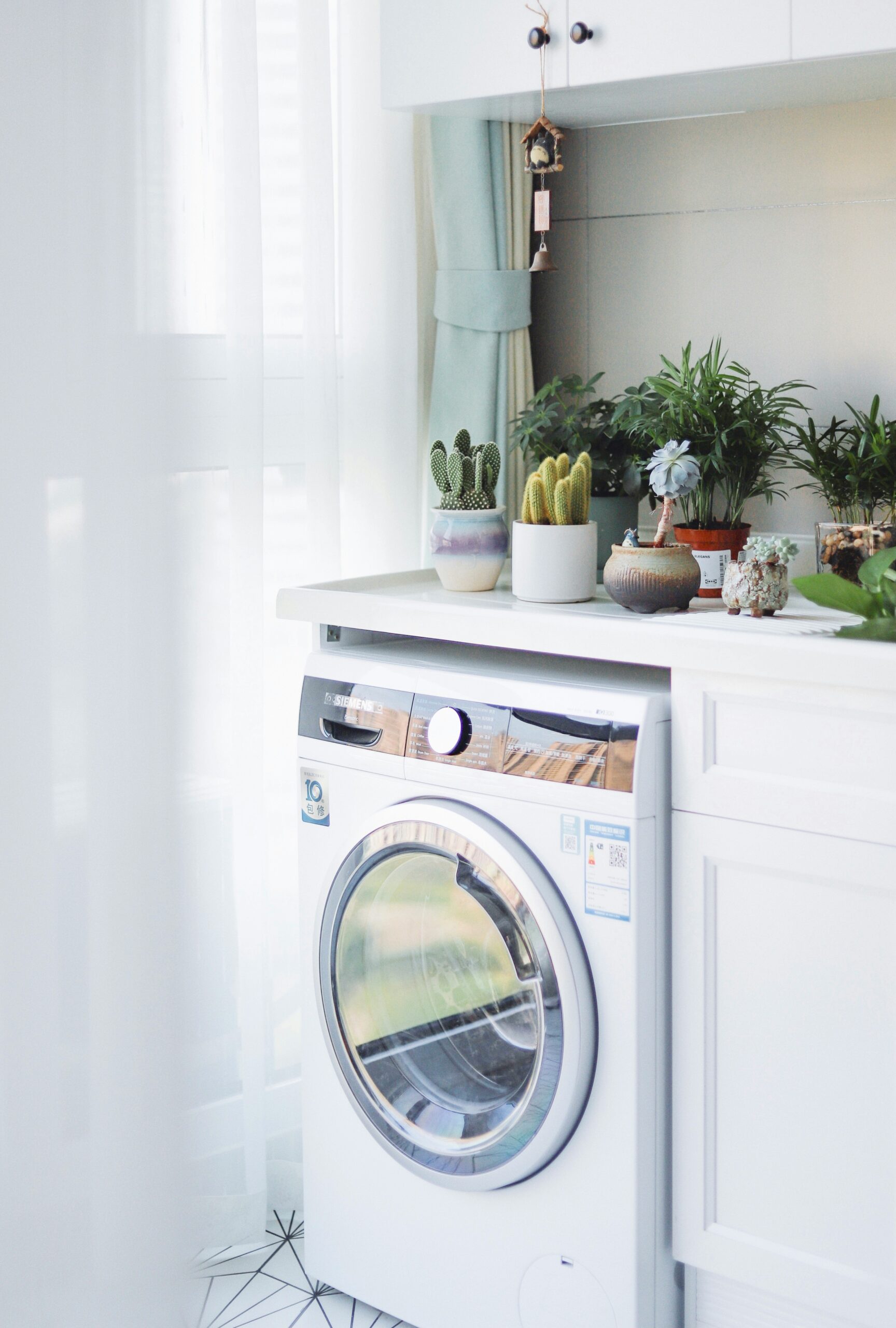
Front-loading washing machines are fantastic at cleaning clothes using less water and energy than top-loaders. But they have one well-known flaw: they can develop a nasty musty smell if you don’t maintain them properly.
If you’ve ever opened your washer and been hit with a sour, mildewy odor, you know exactly what I’m talking about. The smell transfers to your clothes, which sort of defeats the purpose of washing them. And once that smell takes hold, it doesn’t go away on its own.
The problem isn’t that front-loaders are bad machines — it’s that they’re designed differently than top-loaders. The rubber door seal traps moisture, the drum sits horizontally so water doesn’t drain completely, and the low-water wash cycles mean detergent residue builds up faster.
The good news is that cleaning a front-loading washer is straightforward once you know what to do. And with a few simple habits, you can prevent the smell from coming back. This guide covers both.
Why Front-Loaders Get Smelly
Understanding the cause helps you prevent the problem. Front-loading washers develop odors because of three things:
1. The Rubber Door Seal
The rubber gasket around the door opening creates a watertight seal during the wash cycle. But it also traps water, soap scum, hair, lint, and even small items like coins or hair ties that fall out of pockets. This dark, damp environment is the perfect breeding ground for mold and mildew.
2. Residual Water
Unlike top-loading machines where the drum sits vertically and water drains completely, front-loaders always retain a small amount of water in the drum and drain lines. This standing water develops a sour smell over time.
3. Detergent and Fabric Softener Buildup
Front-loaders use less water, which means detergent and fabric softener aren’t always fully rinsed away. The residue builds up on the inside of the drum, the door seal, and in the dispenser drawer. Over time, this buildup becomes a sticky film that harbors bacteria and mold.
Using too much detergent makes this problem worse. More soap doesn’t mean cleaner clothes — it just leaves more residue behind.
What You’ll Need
- White vinegar
- Baking soda
- A microfiber cloth or old towels
- An old toothbrush
- A small bowl
- Rubber gloves (optional)
That’s it. No special cleaners required. Vinegar kills mold and bacteria, dissolves soap scum, and removes odors. Baking soda provides gentle abrasion and deodorizes.
Step-by-Step: How to Clean Your Front-Loading Washer
Step 1: Clean the Rubber Door Seal
This is where most of the smell originates, so start here.
- Open the washer door and examine the rubber gasket around the opening. Use your fingers to pull back the fold — you’ll probably see water, grime, hair, and possibly mold inside the fold.
- Put on gloves if you’re sensitive to mold.
- Use an old towel to wipe out as much of the visible grime and water as you can from inside the fold.
- Check for small items like coins, hair ties, or buttons that may have gotten trapped. Remove them.
- Mix equal parts white vinegar and warm water in a bowl. Dip an old toothbrush in the solution and scrub the inside of the rubber seal, paying attention to any dark or discolored spots.
- Wipe the entire seal with a cloth soaked in the vinegar solution.
- Dry the seal thoroughly with a clean cloth.
If the seal has severe mold that won’t come off with vinegar and scrubbing, you can try a mold remover designed for bathroom surfaces. Test it on a small area first to make sure it doesn’t damage the rubber.
If the seal is torn, cracked, or permanently stained with mold, it may need to be replaced. A damaged seal can’t form a watertight closure and will leak.
Step 2: Clean the Dispenser Drawer
The detergent dispenser drawer is another spot where mold and residue build up.
- Pull the dispenser drawer out completely. Most have a release button or tab you press while pulling.
- Take the drawer to the sink and wash it with warm water and dish soap. Use an old toothbrush to scrub the compartments and remove any sticky residue.
- Look inside the cavity where the drawer sits. You’ll probably see buildup on the walls and at the bottom. Spray it with vinegar and scrub with the toothbrush.
- Dry the drawer and the cavity before reinserting the drawer.
If your dispenser has a fabric softener compartment that’s particularly gunky, soak it in warm water with a little dish soap for 15 minutes before scrubbing.
Step 3: Run a Cleaning Cycle with Vinegar
Now it’s time to clean the drum itself.
- Pour 2 cups of white vinegar directly into the detergent dispenser. Don’t use the detergent compartment — pour it into the main wash compartment or directly into the drum if your machine doesn’t have a dispenser compartment for cleaning.
- Set the washer to the hottest water setting available. Many machines have a specific “Clean Washer” or “Self Clean” cycle — use that if you have it. If not, use the hottest, longest cycle available.
- Run the complete cycle with no clothes inside.
The hot vinegar water will dissolve soap scum, kill mold and bacteria, and remove odors from the drum and internal hoses.
Step 4: Run a Second Cycle with Baking Soda
After the vinegar cycle, run a second cycle to remove any remaining residue and odors.
- Sprinkle 1/2 cup of baking soda directly into the drum.
- Run another hot water cycle on the same setting as before.
The baking soda provides gentle abrasion and further deodorizes the drum. It also helps neutralize any vinegar smell that might remain.
Step 5: Clean the Door Glass
The inside of the door glass can accumulate a film of soap scum and water spots.
Spray the glass with vinegar and wipe it clean with a microfiber cloth. Pay attention to the area where the glass meets the rubber seal — grime collects in that gap.
Step 6: Clean the Outside of the Machine
Wipe down the exterior with a damp cloth and a small amount of dish soap. Don’t spray cleaner directly on the machine — spray it on the cloth first. Pay attention to the control panel and buttons, which collect fingerprints and detergent drips.
Dry the exterior with a clean cloth.
Step 7: Clean the Drain Pump Filter
Many front-loading washers have a drain pump filter that catches lint, coins, hair, and other debris before they enter the pump. If this filter gets clogged, water won’t drain properly and the machine may develop an odor.
The drain pump filter is usually behind a small access panel at the bottom front of the machine. Some machines have a removable panel; others have a flip-down door.
- Place a towel and a shallow pan under the access panel to catch water.
- Open the panel and locate the filter — it’s usually a round cap that twists out.
- Slowly twist the filter cap counterclockwise. Water will drain out — that’s why you have the towel and pan.
- Remove the filter and clean it under running water. Use an old toothbrush to remove any debris.
- Check the cavity for any foreign objects that might be stuck inside.
- Reinsert the filter and twist it clockwise until it’s secure.
- Close the access panel.
Do this every few months as part of your regular maintenance. It prevents clogs and keeps the drain flowing properly.
How to Prevent Odors from Coming Back
Cleaning your washer once gets rid of the smell. These habits keep it from coming back.
Leave the Door Open After Every Wash
This is the single most important thing you can do. After every load, pull the door open slightly so air can circulate inside the drum. This allows residual moisture to evaporate instead of sitting and growing mold.
If you have small children who might climb inside, use a door prop or child lock that keeps the door cracked but not fully open.
Leave the Dispenser Drawer Open Too
The dispenser drawer also traps moisture. Pull it out slightly after each wash so air can circulate in that area as well.
Use the Right Amount of Detergent
Most people use way too much detergent. Front-loaders need much less than top-loaders because they use less water. Check your detergent’s instructions for high-efficiency (HE) machines and use the minimum recommended amount.
Using too much detergent leaves residue that builds up over time and causes odors. Using more doesn’t get clothes cleaner — it actually makes them harder to rinse.
Use HE Detergent
Always use detergent labeled as high-efficiency (HE). HE detergent is formulated to produce fewer suds, which is important for front-loaders that use less water. Regular detergent creates too many suds that don’t rinse away completely.
Skip the Fabric Softener
Fabric softener is particularly bad for front-loaders. It leaves a waxy residue on the drum, the seal, and inside the hoses. This residue traps dirt and bacteria and contributes to odors.
If you want softer clothes, use white vinegar instead. Add 1/2 cup to the fabric softener dispenser. It softens clothes without leaving residue and helps prevent odors in the machine.
Wash with Hot Water Occasionally
Cold water saves energy and is fine for most loads, but it doesn’t dissolve detergent as well as hot water. Run a hot water load (like towels or bedding) once a week or so to help flush out residue.
Remove Wet Clothes Promptly
Don’t leave wet clothes sitting in the washer for hours after the cycle ends. Set a timer or use your machine’s end-of-cycle alert so you remember to transfer clothes to the dryer promptly.
Wet clothes left in the washer create a damp, warm environment that’s ideal for mold and mildew growth.
How Often Should You Clean Your Front-Loading Washer?
| Task | Frequency |
|---|---|
| Wipe the door seal | After every load |
| Leave door and dispenser open | After every load |
| Clean the dispenser drawer | Monthly |
| Run a vinegar cleaning cycle | Monthly |
| Clean the drain pump filter | Every 2-3 months |
| Deep clean with vinegar and baking soda | Every 3-6 months |
If your washer already has an odor, clean it thoroughly using all the steps above. Then follow the maintenance schedule to keep it fresh.
Can You Use Bleach to Clean a Front-Loading Washer?
You can, but vinegar is generally a better choice for regular cleaning. Here’s the comparison:
Vinegar:
- Kills mold and bacteria
- Dissolves soap scum and mineral deposits
- Safe for rubber and plastic parts
- No harsh fumes
- Deodorizes naturally
Bleach:
- Stronger disinfectant
- Can degrade rubber seals over time with frequent use
- Harsh fumes that require ventilation
- Can damage clothing if residue remains
- Not as effective at dissolving soap scum
If you choose to use bleach, dilute it according to the package directions and run a full cycle with no clothes. Don’t mix bleach and vinegar — the combination produces toxic gas.
For regular monthly cleaning, stick with vinegar. Reserve bleach for severe mold problems that vinegar can’t handle.
Frequently Asked Questions
Why does my front-loading washer smell like rotten eggs?
That sulfur smell is usually caused by bacteria growing in residual water or on buildup inside the machine. It’s more common in areas with hard water or if you use too much detergent. Run a cleaning cycle with vinegar on the hottest setting, then clean the door seal and dispenser. If the smell persists, clean the drain pump filter.
Can I use washing machine cleaning tablets instead of vinegar?
Yes. Products like Affresh washing machine cleaner are designed specifically for this purpose. They work well and are convenient, but they cost more than vinegar. If you prefer a commercial product, follow the instructions on the package. Vinegar works just as well for a fraction of the cost.
How do I know if my door seal needs to be replaced?
Look for tears, cracks, or permanent mold stains that don’t come off with cleaning. A damaged seal can leak water during the wash cycle. If the seal is torn or cracked, replace it — it’s a relatively inexpensive part that you can order online or from the manufacturer.
Why is there black mold on my door seal?
Black mold grows in the damp, dark environment inside the rubber seal fold. It’s common in front-loaders, especially if the door is kept closed between uses. Clean it with vinegar and a brush. Going forward, wipe the seal after each use and leave the door open to let it dry.
My washer still smells after cleaning. What else can I try?
If you’ve cleaned the seal, dispenser, drum, and filter and the smell persists, the issue might be in the drain hose or the standpipe (the drain pipe in the wall). Make sure the drain hose isn’t kinked or clogged. You may also need to check if the standpipe is partially blocked. If you’re not comfortable doing this yourself, a plumber can help. Also make sure you’re not using too much detergent — this is the most common cause of persistent odors.