
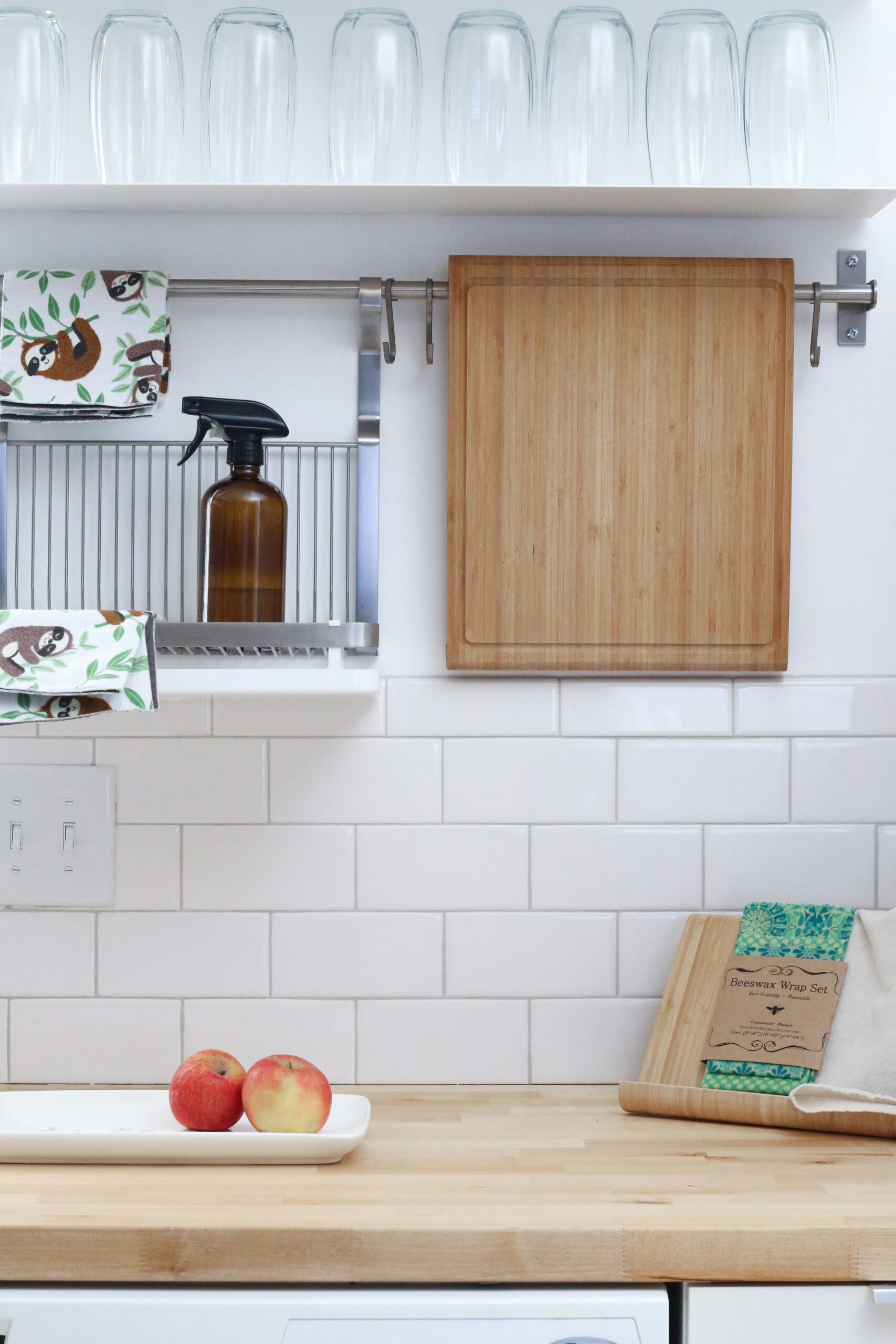
The kitchen is the one room in the house that never stays clean on its own. You can clean your bedroom and it’ll basically stay tidy for days. But the kitchen? Give it 24 hours and there are dishes in the sink, crumbs on the counter, and a mysterious sticky spot near the toaster that nobody remembers making.
I used to let my kitchen go all week and then spend half of Saturday trying to get it back to a livable state. It was exhausting and demoralizing. By the time I finished cleaning, the weekend was half gone and I didn’t even want to cook because I didn’t want to mess it up again.
What finally worked for me wasn’t a massive deep clean — it was a simple weekly routine. Breaking the work into small, consistent tasks meant the kitchen never got bad enough to require a rescue mission. It takes me about 20 to 30 minutes a day now, and my kitchen stays reasonably clean all week.
This guide gives you a practical weekly routine that actually works for real people with busy schedules. No perfection required.
Why a Weekly Routine Works Better Than a Big Deep Clean
Deep cleans have their place, but relying on them as your only strategy is a losing battle. Here’s why a weekly routine is better:
It prevents the snowball effect. One dirty pan becomes three. A small spill on the stove becomes a baked-on mess. Crumbs in the drawer attract pests. Small messes turn into big ones fast in a kitchen.
It takes less total time. Spending 20 minutes a day is about 2.5 hours a week. A neglected kitchen deep clean can take 3 to 4 hours or more. The math works in your favor.
It reduces stress. Walking into a clean kitchen to make dinner feels completely different than walking into a disaster zone. A routine keeps the space usable.
It protects your appliances and surfaces. Grease, spills, and food residue damage cabinets, counters, and appliances over time. Regular cleaning prevents permanent damage.
The Daily Basics (5-10 Minutes Each)
These are the non-negotiable tasks that keep the kitchen from spiraling out of control. Do these every day and the weekly tasks become much easier.
Wash the Dishes or Load the Dishwasher
This is the number one rule of kitchen maintenance. Don’t go to bed with a sink full of dirty dishes. If you have a dishwasher, load it and run it. If you wash by hand, do them after each meal or at the end of the day.
A clean sink makes the entire kitchen feel cleaner, even if everything else isn’t perfect.
Wipe Down the Counters
After cooking or at the end of the day, wipe down the counters with a damp cloth or all-purpose cleaner. This takes about two minutes and prevents crumbs and spills from becoming permanent fixtures.
Pay attention to the area around the stove and the coffee maker — these tend to collect the most grime.
Put Things Away
It sounds obvious, but putting ingredients, tools, and appliances back in their proper place makes a huge difference. A cluttered counter looks messy even if it’s technically clean.
If you use something every day like a coffee maker or toaster, it’s fine to leave it out. But the blender you use twice a month? Put it away.
Sweep or Spot Clean the Floor
A quick sweep or a pass with a stick vacuum takes about two minutes and prevents crumbs from getting tracked through the house. You don’t need to mop daily — just get the visible stuff.
The Weekly Routine (30-45 Minutes Total)
Pick one day a week to do these tasks. I prefer Friday or Saturday so the kitchen is clean for the weekend, but any day works. The important thing is consistency.
Task 1: Clean the Stove and Oven Exterior (5-10 minutes)
The stove is usually the dirtiest part of the kitchen. Grease splatters, food spills, and boiled-over pots leave a mess that gets harder to clean the longer it sits.
For the stovetop:
- Remove burner grates or coils if possible and soak them in hot soapy water
- Spray the stovetop with all-purpose cleaner or a degreaser
- Let it sit for a few minutes to break down the grease
- Wipe clean with a sponge or microfiber cloth
- For stubborn spots, use a paste of baking soda and water — apply, let sit, then scrub gently
- Dry with a clean cloth to prevent water spots
For the oven:
- Wipe the outside of the oven door with glass cleaner or vinegar
- Check inside for major spills — if there’s a fresh spill on the floor of the oven, wipe it up now before it bakes on
- For a full oven cleaning, see our guide on maintaining your oven and stovetop (coming soon)
Task 2: Clean the Microwave (5 minutes)
Fill a microwave-safe bowl with one cup of water and two tablespoons of white vinegar. Microwave it on high for 3 to 5 minutes until the liquid boils and steams up the inside. Leave the door closed for another 2 minutes to let the steam work.
Carefully remove the hot bowl. Wipe the inside of the microwave with a sponge or cloth. The steam loosens all the dried food and splatters so they wipe right off.
Wash the turntable in the sink with dish soap or put it in the dishwasher.
Task 3: Wipe Down Cabinet Doors and Handles (5-10 minutes)
Kitchen cabinets collect grease, fingerprints, and food splatters, especially the ones near the stove. Wipe them down with a damp cloth and a small amount of dish soap. Pay extra attention to handles and knobs, which collect the most grime from dirty hands.
If you notice sticky residue that won’t come off with soap and water, try a small amount of degreaser or a baking soda paste.
Task 4: Clean the Sink (5 minutes)
Even if you wash dishes daily, the sink itself needs regular cleaning.
- Spray the sink with all-purpose cleaner or sprinkle with baking soda
- Scrub with a sponge, paying attention to the sides, bottom, and around the drain
- Use an old toothbrush to clean around the faucet base and handles where grime builds up
- Rinse thoroughly
- For stainless steel sinks, wipe in the direction of the grain to avoid scratches
Task 5: Clean the Refrigerator Exterior (2-3 minutes)
Wipe down the outside of the fridge, especially the handle. If you have a stainless steel fridge, use a stainless steel cleaner or a microfiber cloth with a small amount of baby oil to remove fingerprints.
This is also a good time to quickly check for expired items inside, but a full fridge cleaning can be a separate monthly task.
Task 6: Mop the Floor (10-15 minutes)
After a week of cooking, the floor needs more than a quick sweep. Move chairs and small items out of the way. Sweep or vacuum first to remove loose dirt and crumbs.
Mop with warm water and floor cleaner appropriate for your floor type. Start from the farthest corner and work toward the door so you don’t step on wet areas.
If you have a small kitchen, a spray mop like a Swiffer works fine for weekly cleaning. For larger kitchens or stickier messes, a traditional mop and bucket does a better job.
Task 7: Take Out the Trash and Clean the Can (2-3 minutes)
Take out the kitchen trash even if the bag isn’t full. Food waste smells worse after a week, and taking it out prevents odors and fruit flies.
While the bag is out, wipe the inside of the trash can with a disinfecting wipe or spray. Crumbs and liquids collect at the bottom and cause smells.
Monthly Kitchen Tasks (Do These Once a Month)
These tasks don’t need to be done weekly, but adding them to your routine once a month keeps the kitchen in good shape long-term.
Clean the Inside of the Refrigerator
Remove all the food and shelves. Wipe down the interior walls and shelves with warm soapy water. Check expiration dates and toss anything that’s gone bad. Wipe down jars and containers before putting them back.
Clean the Oven Interior
If you use your oven regularly, it needs a deep clean about once a month. Use the self-cleaning function if your oven has one, or use an oven cleaner following the product instructions. Make sure the kitchen is well-ventilated if you use chemical oven cleaners.
Descale the Coffee Maker
Fill the water reservoir with equal parts white vinegar and water. Run a full brew cycle without coffee. Run two more cycles with plain water to rinse. This removes mineral buildup and keeps your coffee tasting good.
Clean the Dishwasher
Place a cup of white vinegar on the top rack and run a hot cycle with no dishes. This removes grease and odors. Then sprinkle baking soda on the bottom of the dishwasher and run a short hot cycle to freshen it.
Wipe Down Light Switches and Outlet Covers
These get touched constantly and collect grease and grime. A quick wipe with a disinfecting cloth takes about a minute.
Quick Reference: Your Weekly Kitchen Routine
| Task | Time |
|---|---|
| Clean stove and oven exterior | 5-10 min |
| Clean microwave | 5 min |
| Wipe cabinet doors and handles | 5-10 min |
| Clean the sink | 5 min |
| Clean refrigerator exterior | 2-3 min |
| Mop the floor | 10-15 min |
| Take out trash and clean can | 2-3 min |
| Total | 35-55 min |
Tips for Making the Routine Stick
Do It on the Same Day Every Week
Consistency is easier when you have a designated kitchen cleaning day. Put it on your calendar or set a phone reminder.
Keep Supplies Handy
Store your cleaning supplies in or near the kitchen so you don’t have to hunt for them. A small caddy with all-purpose cleaner, sponges, microfiber cloths, and baking soda makes it easy to grab what you need.
Put on Music or a Podcast
Thirty to forty-five minutes goes faster when you’re listening to something. Make it less of a chore by pairing it with something you enjoy.
Get Help If You Live With Others
If you share a home, kitchen cleaning should not be one person’s job. Split the weekly tasks or take turns. Even young kids can handle wiping cabinet doors or taking out the trash.
Don’t Aim for Perfection
A clean kitchen doesn’t have to look like a magazine photo. The goal is functional and hygienic — surfaces you can prep food on, a sink you can wash dishes in, and a floor that doesn’t stick to your feet. That’s enough.
Frequently Asked Questions
What if I don’t have 45 minutes in one block?
Break it up. Do the stove and microwave on one day, the cabinets and sink on another, and the floor on a third day. The tasks don’t all have to be done in one session.
What’s the best all-purpose cleaner for kitchens?
For most surfaces, a simple mix of equal parts white vinegar and water works well. If you prefer a commercial product, any standard all-purpose cleaner from the grocery store is fine. For heavy grease, a dedicated degreaser works better.
How do I clean greasy kitchen cabinets without damaging the finish?
Use warm water with a few drops of dish soap. Dish soap is designed to cut grease and is gentle enough for most cabinet finishes. Test a small, inconspicuous area first if you’re unsure. Avoid abrasive scrubbers or harsh chemicals that can damage the finish.
Should I use a sponge or a microfiber cloth?
Both work, but microfiber cloths are generally better for wiping surfaces because they don’t leave lint and can be washed and reused hundreds of times. Sponges are better for scrubbing. If you use sponges, replace them regularly — a wet sponge harbors bacteria after a few weeks.
How do I keep my kitchen from getting messy in the first place?
Clean as you cook. Wipe spills immediately instead of letting them sit. Put ingredients away as soon as you’re done with them. Run the dishwasher before bed and empty it in the morning. These small habits prevent the big messes that make the weekly routine feel overwhelming.